How Janitorial Services Keep Reception Areas Presentable
A reception area is often the first part of a business that customers, clients, employees, and visitors see. A clean and organized reception area can create a positive first impression while supporting a professional business environment.
Because reception areas can experience frequent foot traffic, they may quickly collect dust, dirt, fingerprints, debris, and spills. Professional janitorial services provide routine cleaning and maintenance to help keep these spaces consistently presentable.
What Does Reception Area Cleaning Include?
The exact scope depends on the facility and cleaning agreement. Common services may include:
- Floor sweeping and vacuuming
- Mopping hard floors
- Carpet vacuuming
- Dusting accessible surfaces
- Reception desk area cleaning
- Glass and mirror cleaning
- Door and entrance cleaning
- High-touch surface cleaning
- Seating-area maintenance
- Trash and recycling removal
- Spot and spill cleaning
A customized plan can prioritize areas that receive the most traffic.
1. Keeping Reception Floors Clean
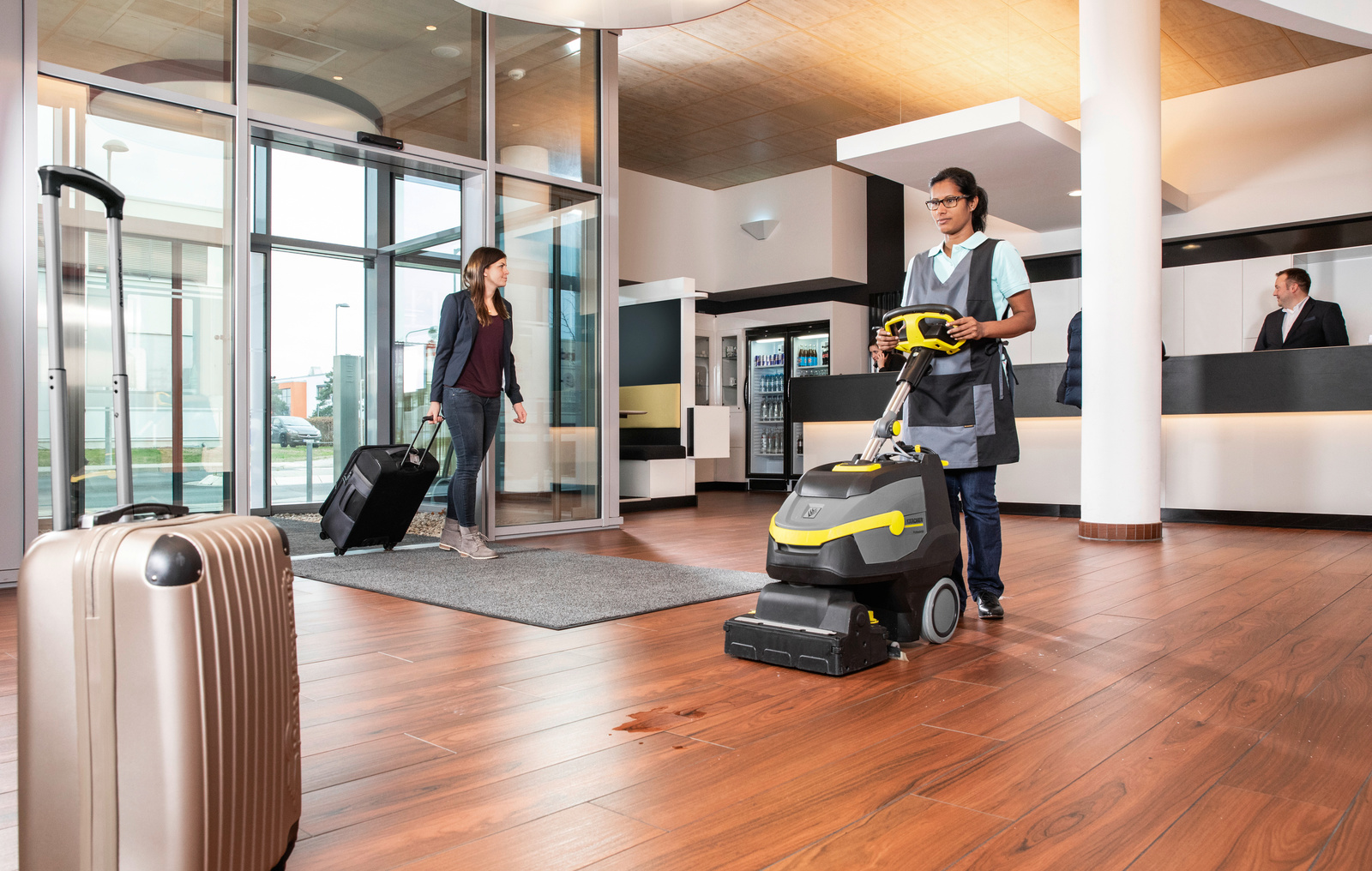
Reception floors are among the first surfaces visitors notice. Dirt and debris can easily enter through exterior doors and accumulate throughout the day.
Professional commercial cleaning services can vacuum carpets, sweep hard floors, mop appropriate surfaces, and perform spot cleaning as needed.
The cleaning method should always match the flooring material and manufacturer’s recommendations.
2. Dusting Reception Surfaces
Reception desks, tables, counters, shelves, and other accessible surfaces can collect dust.
Regular dusting helps maintain a cleaner appearance while preventing visible buildup. Cleaning personnel should follow facility instructions when working around computers, phones, documents, and other sensitive equipment.
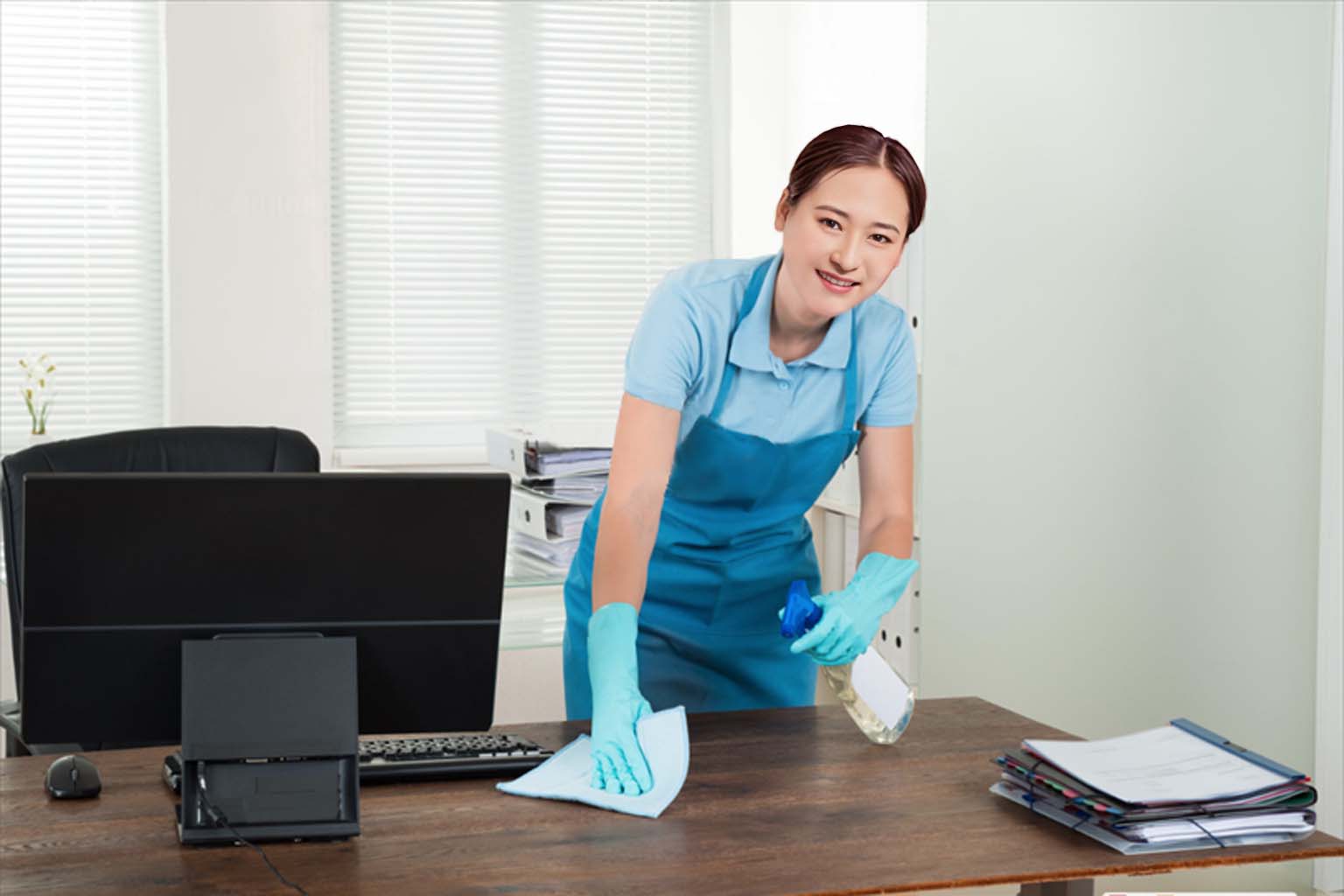
3. Cleaning Reception Desks
Reception desks are frequently used by employees and may be touched by visitors.
Depending on the service agreement, janitorial staff can clean designated accessible surfaces around the reception area. Personal belongings, confidential documents, electronics, and business materials should be handled according to the facility’s instructions.
4. Maintaining Glass and Mirrors
Glass doors, windows, partitions, and mirrors can quickly show fingerprints and smudges.
Professional janitorial teams can clean accessible glass surfaces when included in the cleaning plan. Specialized exterior or high-access window cleaning may require separate services and equipment.
5. Cleaning High-Touch Areas
Reception areas often contain frequently touched surfaces such as:
- Door handles
- Reception counters
- Chair arms
- Handrails
- Light switches
- Push plates
- Shared surfaces
A customized cleaning schedule can identify priority areas based on traffic.
Cleaning and disinfection are different processes. When disinfection is required, businesses should establish appropriate products and procedures based on facility policies and manufacturer instructions.
6. Maintaining Reception Seating
Visitor chairs and seating areas can collect dust, debris, and occasional spills.
Routine janitorial service can include cleaning the surrounding floors and accessible surfaces. Upholstery cleaning may be scheduled separately depending on the furniture material and service agreement.
7. Emptying Trash and Recycling Bins
Reception areas may contain waste bins near desks, seating areas, and entrances.
Regular waste removal helps prevent overflowing bins and keeps the area organized. Janitorial teams can empty designated containers and move waste to approved collection areas according to building procedures.
8. Keeping Entrances Clean
Reception areas are often connected directly to the building entrance.
Rain, mud, dust, and outdoor debris can be carried inside by visitors. Regular entrance cleaning can help control visible dirt and moisture around the reception area.
During severe weather, businesses may need additional cleaning attention.
9. Spot and Spill Cleaning
Unexpected spills can occur in reception areas, especially where beverages are served or visitors wait for appointments.
Prompt spot cleaning can help reduce visible stains and keep floors presentable.
Cleaning methods should be appropriate for the affected surface.
10. Cleaning Around Business Hours
Reception areas are typically active during business hours, so scheduling is important.
Janitorial services can be performed:
- Before opening
- During selected daytime periods
- After business hours
- In the evening
- On weekends
After-hours cleaning may reduce disruption, while daytime service can address immediate maintenance needs.
11. Periodic Detailed Cleaning
Daily cleaning handles routine needs, but reception areas can also benefit from periodic detailed maintenance.
Depending on the facility, this may include:
- Detailed carpet cleaning
- Floor care
- Baseboard cleaning
- Interior glass cleaning
- Detailed dusting
- Accessible high and low surface cleaning
The frequency depends on traffic and facility conditions.
12. Quality-Control Procedures
A professional janitorial services company should have a system for monitoring cleaning quality.
Quality-control methods may include:
- Cleaning checklists
- Supervisor inspections
- Routine audits
- Service logs
- Customer feedback
- Corrective cleaning procedures
These practices can help maintain consistent cleaning standards.
Benefits of Professional Reception Area Cleaning
Regular janitorial support can help businesses:
- Maintain a positive first impression
- Keep floors and entrances clean
- Reduce visible dust and debris
- Maintain reception desks and seating areas
- Keep glass surfaces presentable
- Support a more organized environment
- Reduce routine cleaning responsibilities for employees
A clean reception area should be part of a broader commercial facility-maintenance plan.
Frequently Asked Questions
Why is reception area cleaning important?
Reception areas are highly visible and often receive frequent traffic. Regular cleaning helps maintain a professional appearance for customers, clients, employees, and visitors.
How often should a reception area be cleaned?
The ideal frequency depends on foot traffic, building size, operating hours, weather, and facility requirements. High-traffic reception areas may require daily or more frequent attention.
Can reception cleaning be performed after business hours?
Yes. Many businesses schedule commercial janitorial services in the evening or after closing to reduce disruption.
What should a reception cleaning plan include?
A plan may include floor cleaning, dusting, desk-area maintenance, glass cleaning, high-touch surface cleaning, seating-area maintenance, entrance cleaning, and waste removal.
Choosing a Janitorial Service for Your Reception Area
When selecting a commercial cleaning company, consider experience, staff training, cleaning procedures, scheduling flexibility, quality control, insurance, communication, and service scope.
Ask for a detailed proposal that clearly explains which reception areas will be cleaned, how frequently services will be performed, and what supplies and equipment are included.
Keep Your Reception Area Clean and Professional
Professional janitorial services for reception areas help businesses maintain clean floors, desks, entrances, seating areas, glass surfaces, and other customer-facing spaces.
A customized cleaning plan based on traffic, operating hours, facility layout, and cleaning priorities can help keep your reception area consistently presentable. With reliable janitorial support, businesses can make a strong first impression while allowing employees to focus on their daily responsibilities.