
How Janitorial Services Support Assisted Living Facilities
Assisted living facilities need consistent cleaning and sanitation to maintain comfortable, orderly, and welcoming environments for residents, staff, and visitors. Daily activities can create dust, dirt, spills, waste, and surface buildup throughout common areas, dining spaces, hallways, restrooms, and other shared facilities.
Janitorial services provide routine cleaning support that helps assisted living communities maintain their facilities throughout the day. A well-planned cleaning program can be customized according to resident activity, facility size, traffic levels, operating hours, and specific cleaning requirements.
What Do Janitorial Services Include for Assisted Living Facilities?
Janitorial services for assisted living facilities can include routine cleaning of common areas, resident-accessible spaces, restrooms, dining areas, hallways, entrances, floors, and other shared facilities.
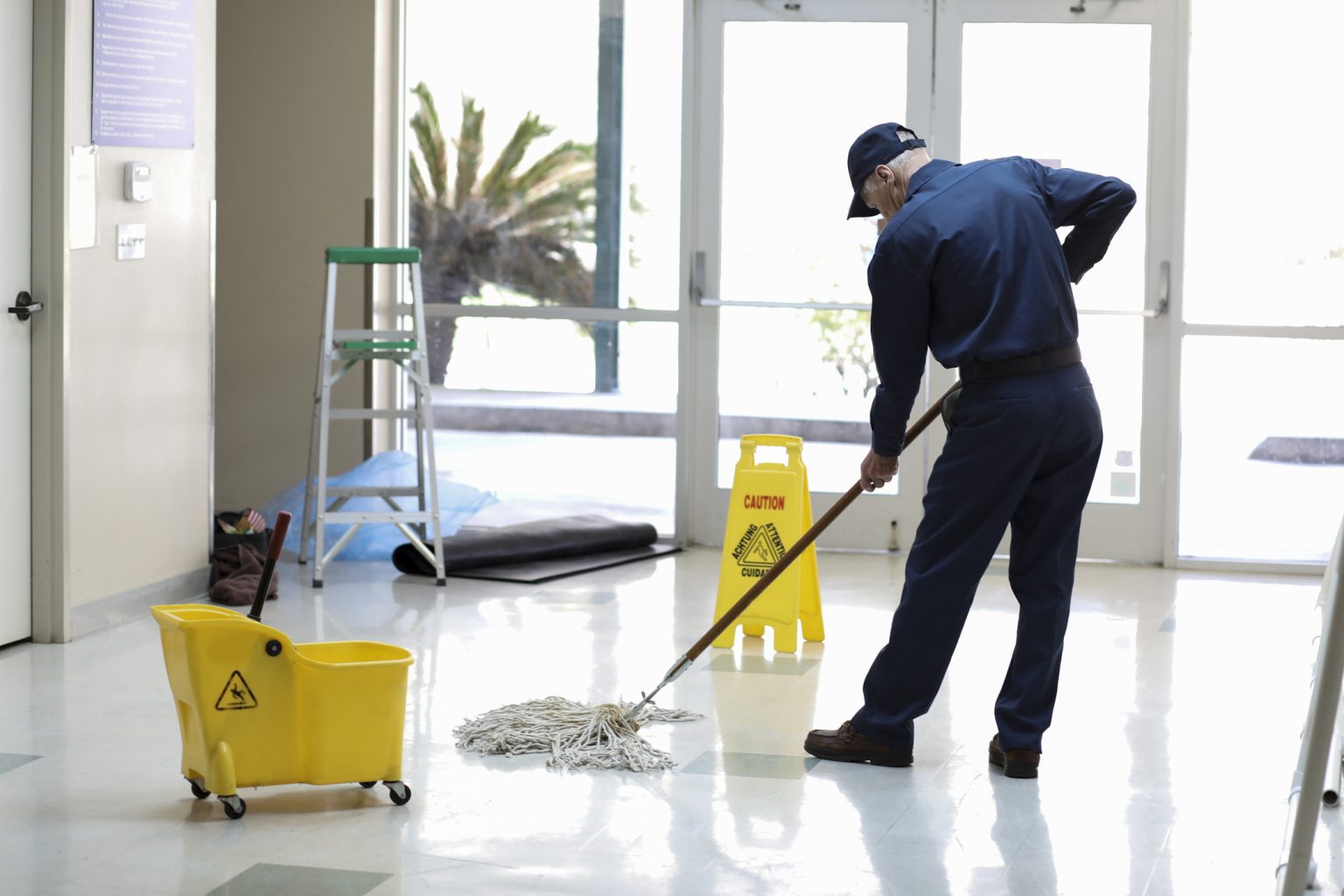
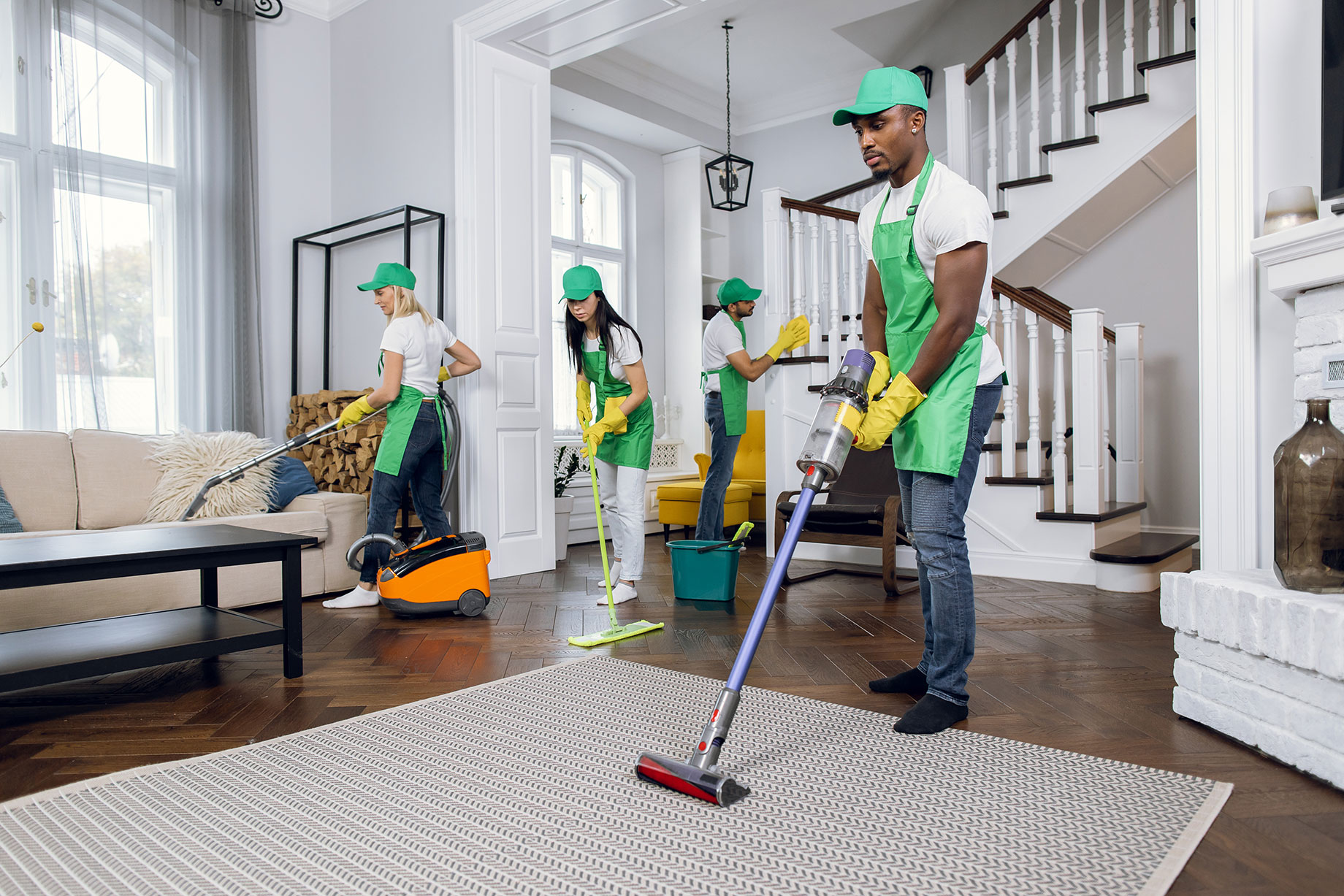
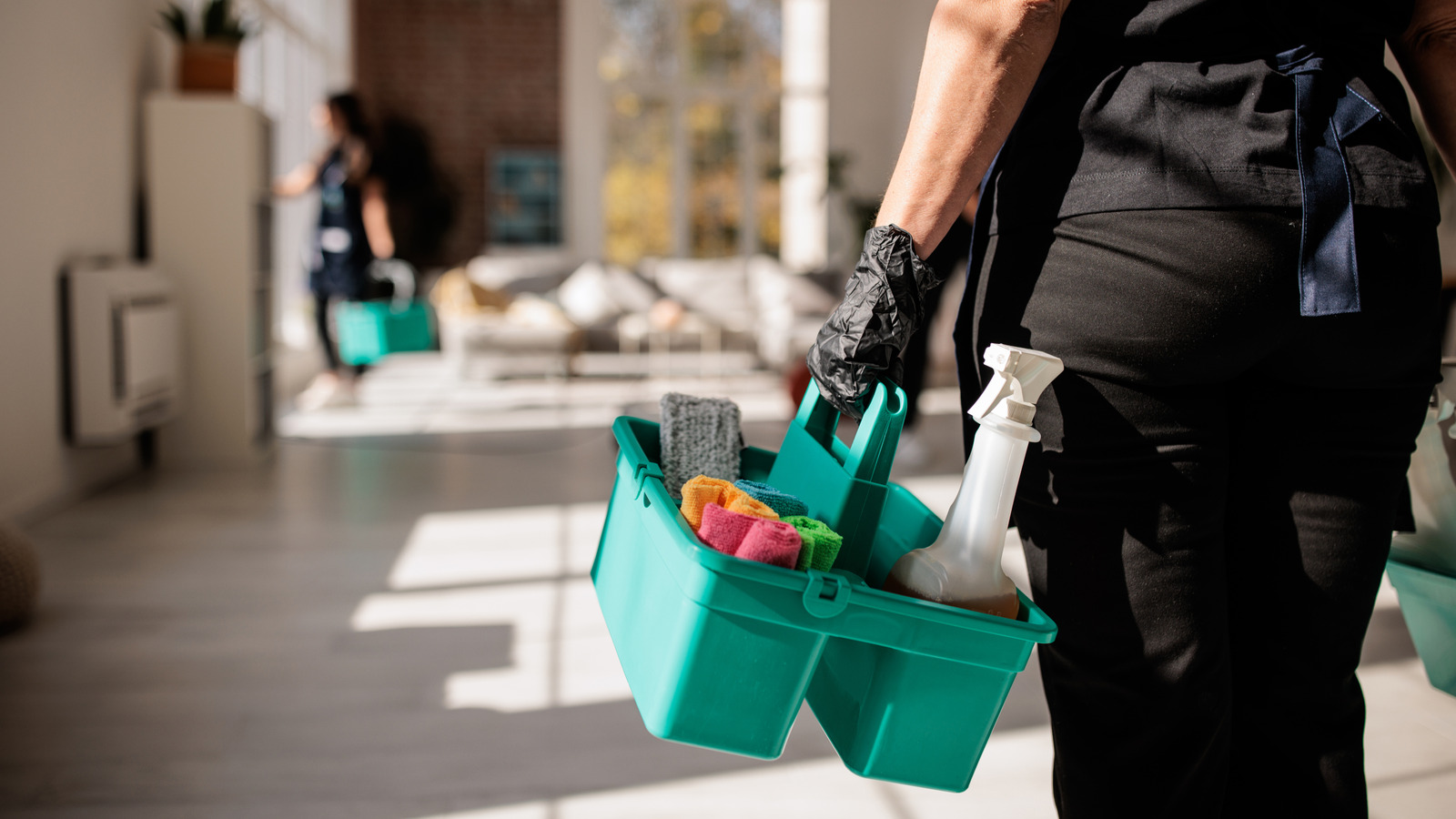
Services may include vacuuming, sweeping, mopping, dusting, surface cleaning, restroom sanitation, trash removal, and high-touch surface cleaning. The exact cleaning schedule can be adjusted based on the facility’s daily needs.
Cleaning Common Areas
Common areas such as lounges, reception areas, activity rooms, hallways, and shared seating spaces are frequently used by residents and visitors.
Regular sweeping, mopping, vacuuming, dusting, and spot cleaning help keep these spaces clean and comfortable. High-traffic areas may require more frequent attention to manage everyday dirt and debris.
Restroom Cleaning and Sanitation
Restrooms require consistent cleaning because they are used regularly by residents, staff, and visitors. Routine janitorial service can include cleaning toilets, sinks, mirrors, floors, partitions, fixtures, and other restroom surfaces.
Cleaning teams can also remove waste and replenish essential supplies such as hand soap, paper towels, and toilet paper.
Floor Cleaning and Care
Floors throughout assisted living facilities can experience frequent foot traffic from residents, employees, visitors, and service staff. Dirt, dust, moisture, and spills can accumulate throughout the day.
Regular vacuuming, sweeping, mopping, and spot cleaning help maintain cleaner and more presentable flooring. Cleaning methods can be selected according to the facility’s different flooring surfaces.
Dining Area Cleaning
Dining rooms and shared eating areas require regular cleaning because food particles, spills, crumbs, and waste can accumulate quickly.
Janitorial teams can clean floors, tables, accessible surfaces, and surrounding areas while removing trash and addressing spills. Consistent cleaning helps maintain a more comfortable dining environment for residents and staff.
High-Touch Surface Cleaning
Assisted living facilities contain many frequently touched surfaces, including door handles, handrails, light switches, counters, elevator buttons, and other shared fixtures.
Regular cleaning of high-touch surfaces supports overall facility hygiene and helps maintain cleaner shared spaces. Cleaning frequency can be adjusted according to resident activity and facility traffic.
Entrance and Hallway Maintenance
Entrances and hallways are important shared areas that can collect dirt and debris from daily activity. Maintaining these areas helps create a cleaner first impression for residents, families, staff, and visitors.
Routine sweeping, mopping, vacuuming, dusting, and spot cleaning can help keep entrances and hallways presentable throughout the day.
Regular Trash Removal
Waste can accumulate in resident-accessible common areas, restrooms, dining spaces, activity rooms, and staff areas. Regular trash removal helps prevent overflowing bins and unpleasant odors.
Janitorial teams can empty designated waste containers, replace liners, and clean the surrounding areas as part of the facility’s regular cleaning schedule.
Supporting a Comfortable Resident Environment
Clean and orderly surroundings can contribute to a more comfortable daily environment for assisted living residents. Consistent cleaning helps manage everyday dirt, dust, spills, and waste while keeping shared spaces ready for regular activities.
Janitorial services can work according to the facility’s schedule to help maintain cleanliness while minimizing unnecessary disruption to residents.
Customized Cleaning Schedules
Every assisted living facility has different cleaning requirements. A customized schedule can consider the number of residents, facility size, shared amenities, traffic levels, operating hours, and areas requiring more frequent attention.
High-use spaces such as dining rooms, restrooms, entrances, and common areas may need more frequent cleaning than lower-traffic areas.
Helping Facility Managers
Assisted living facility managers have many responsibilities, including resident services, staffing, operations, and property coordination. Outsourcing routine janitorial work allows management teams to spend less time handling everyday cleaning tasks.
A dependable cleaning schedule also provides a structured approach to maintaining common spaces and addressing routine facility cleaning needs.
Why Janitorial Services Matter for Assisted Living Facilities
Janitorial services are an important part of maintaining assisted living facilities because cleanliness needs to be managed consistently throughout the day. Regular attention to common areas, restrooms, floors, dining spaces, entrances, high-touch surfaces, and waste helps maintain a cleaner environment.
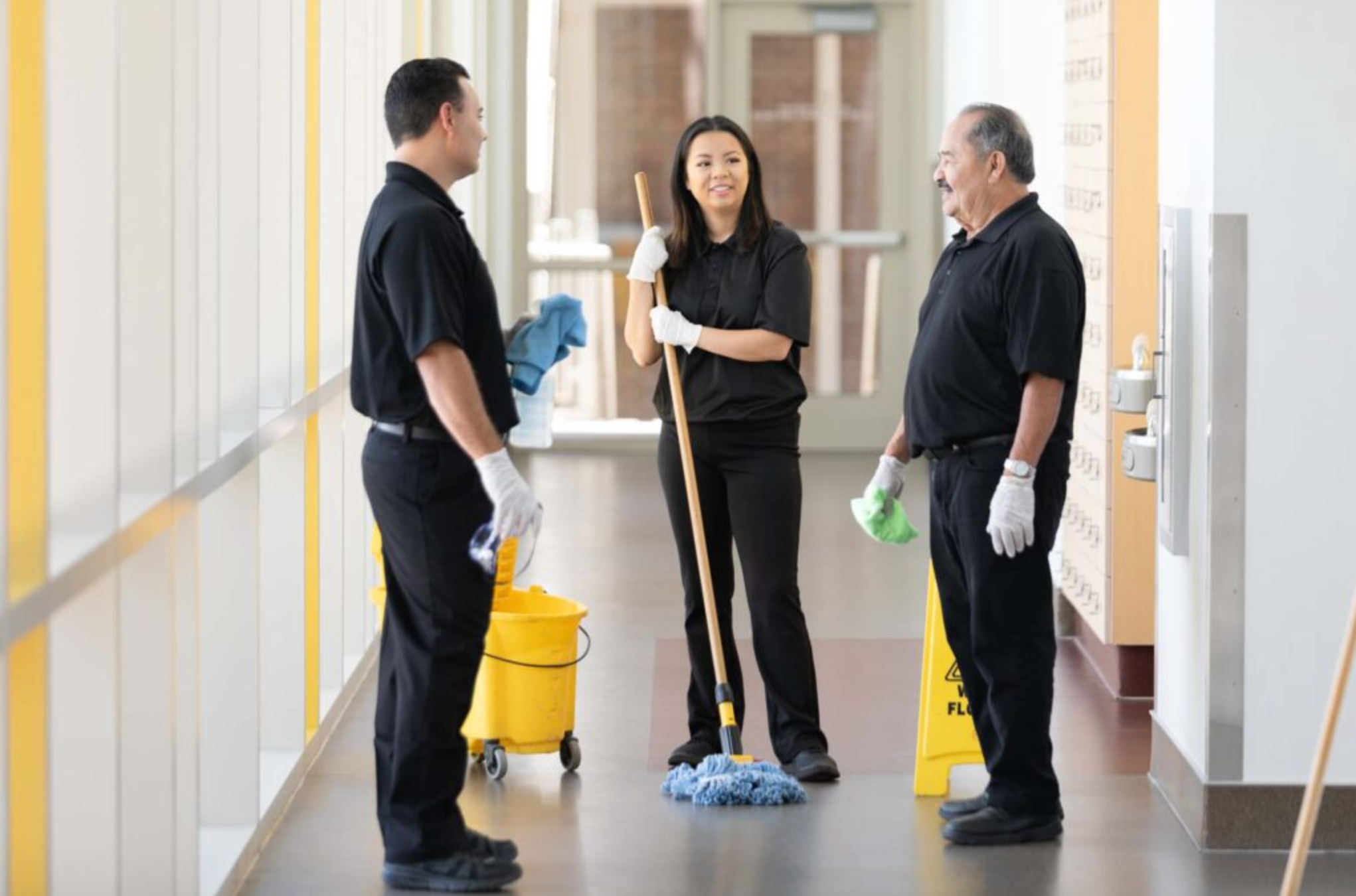
A reliable janitorial program can support facility appearance, resident comfort, and day-to-day property upkeep while allowing staff and management to focus on resident care and facility operations.
Frequently Asked Questions
What do janitorial services for assisted living facilities include?
Services can include common-area cleaning, restroom sanitation, floor care, dining area cleaning, dusting, vacuuming, high-touch surface cleaning, and trash removal.
How often should an assisted living facility be cleaned?
Cleaning frequency depends on resident activity, facility size, traffic levels, operating hours, and specific facility needs. High-use areas may require daily or more frequent cleaning.
Do janitorial services clean dining areas?
Yes. Depending on the service agreement, janitorial teams can clean dining areas, including floors, accessible surfaces, tables, and surrounding areas.
Can cleaning schedules be customized for assisted living facilities?
Yes. Cleaning schedules can be customized according to resident activity, facility layout, high-traffic areas, operating hours, and specific cleaning requirements.
Why is regular cleaning important in assisted living facilities?
Regular cleaning helps maintain cleaner common spaces, restrooms, floors, dining areas, and frequently touched surfaces while supporting a comfortable environment for residents, staff, and visitors.
Final Thoughts
Janitorial services help assisted living facilities maintain clean, comfortable, and organized environments through consistent attention to common areas, restrooms, floors, dining spaces, entrances, high-touch surfaces, and waste.
With a customized cleaning schedule and dependable janitorial team, assisted living facilities can manage everyday cleaning needs more effectively while providing residents, staff, and visitors with a cleaner and more welcoming environment.