
How Janitorial Teams Maintain Office Hallways
Office hallways receive constant foot traffic from employees, customers, visitors, and service personnel throughout the workday. As people move between offices, meeting rooms, restrooms, break rooms, and other shared areas, hallways can quickly collect dust, dirt, debris, footprints, and other buildup.
Janitorial teams help maintain cleaner and more presentable office hallways through consistent floor care, dusting, spot cleaning, waste removal, and attention to frequently touched surfaces. A regular cleaning routine can help businesses keep hallways comfortable, organized, and ready for daily use.
Regular Floor Cleaning
Office hallway floors are exposed to heavy foot traffic and can accumulate dirt, dust, and debris quickly. Janitorial teams may use vacuuming, sweeping, mopping, or other appropriate cleaning methods based on the type of flooring.
Consistent floor cleaning helps remove visible dirt and supports a cleaner appearance throughout the workplace.
Removing Dust and Debris
Dust can collect along hallway edges, corners, baseboards, and other less noticeable areas. Regular dust removal helps prevent buildup from becoming more visible and spreading into nearby office spaces.
Janitorial teams can include hallway edges, corners, door areas, and other surfaces in routine cleaning tasks.
Cleaning High-Touch Surfaces
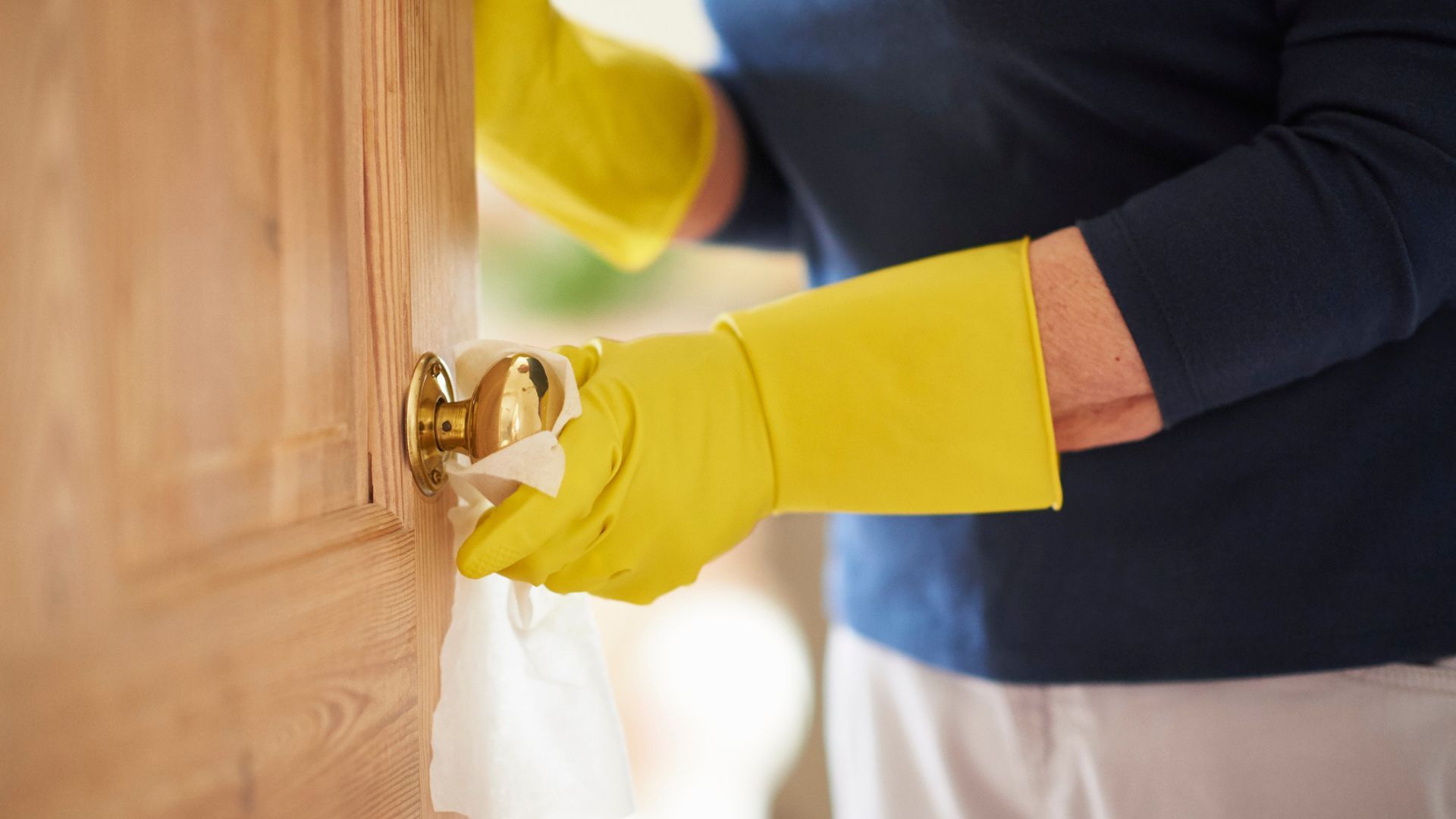
Hallways often contain frequently touched surfaces such as door handles, push plates, handrails, light switches, and elevator buttons. These surfaces can receive constant contact throughout the day.
Regular cleaning of high-touch areas helps maintain cleaner shared spaces and supports a consistent office sanitation routine.
Managing Spills and Spot Cleaning
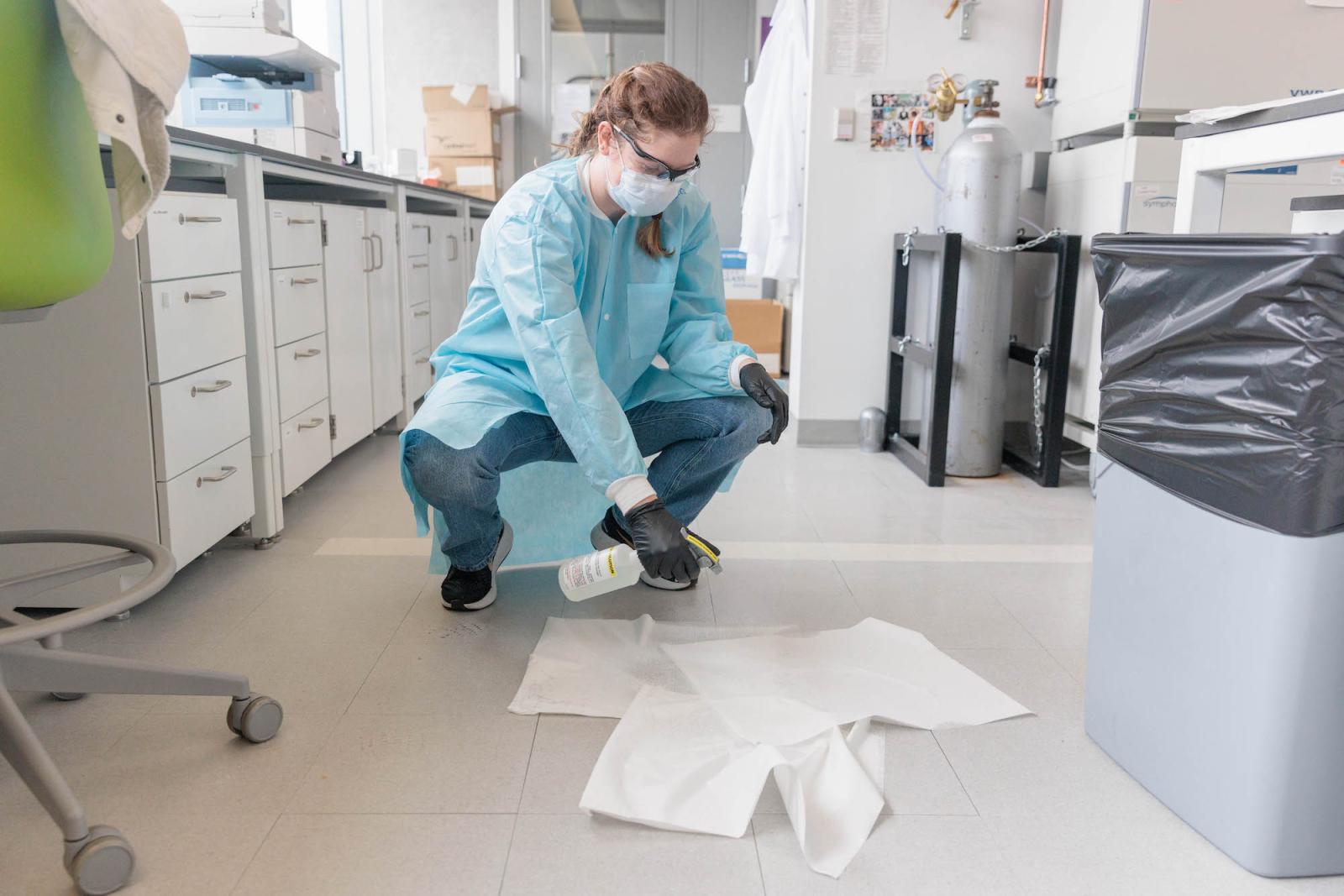
Accidental spills, footprints, food debris, and other marks can appear in office hallways at any time. Prompt spot cleaning helps prevent stains and residue from becoming more difficult to remove.
Addressing spills quickly can also help keep walking areas cleaner and reduce potential slip hazards.
Maintaining Hallway Entrances
Office entrances and connecting hallways can collect additional dirt because people enter from outside throughout the day. Dirt, moisture, and debris can be tracked onto hallway floors, particularly during periods of heavy traffic.
Regular entrance and hallway cleaning helps maintain a cleaner transition between exterior and interior areas.
Emptying Nearby Waste Bins
Waste bins located near hallways, reception areas, workspaces, or common areas can become full during busy workdays. Regular waste removal helps prevent overflowing bins, unpleasant odors, and unnecessary clutter.
Keeping waste areas clean also contributes to a more organized office environment.
Cleaning Walls, Baseboards, and Door Areas
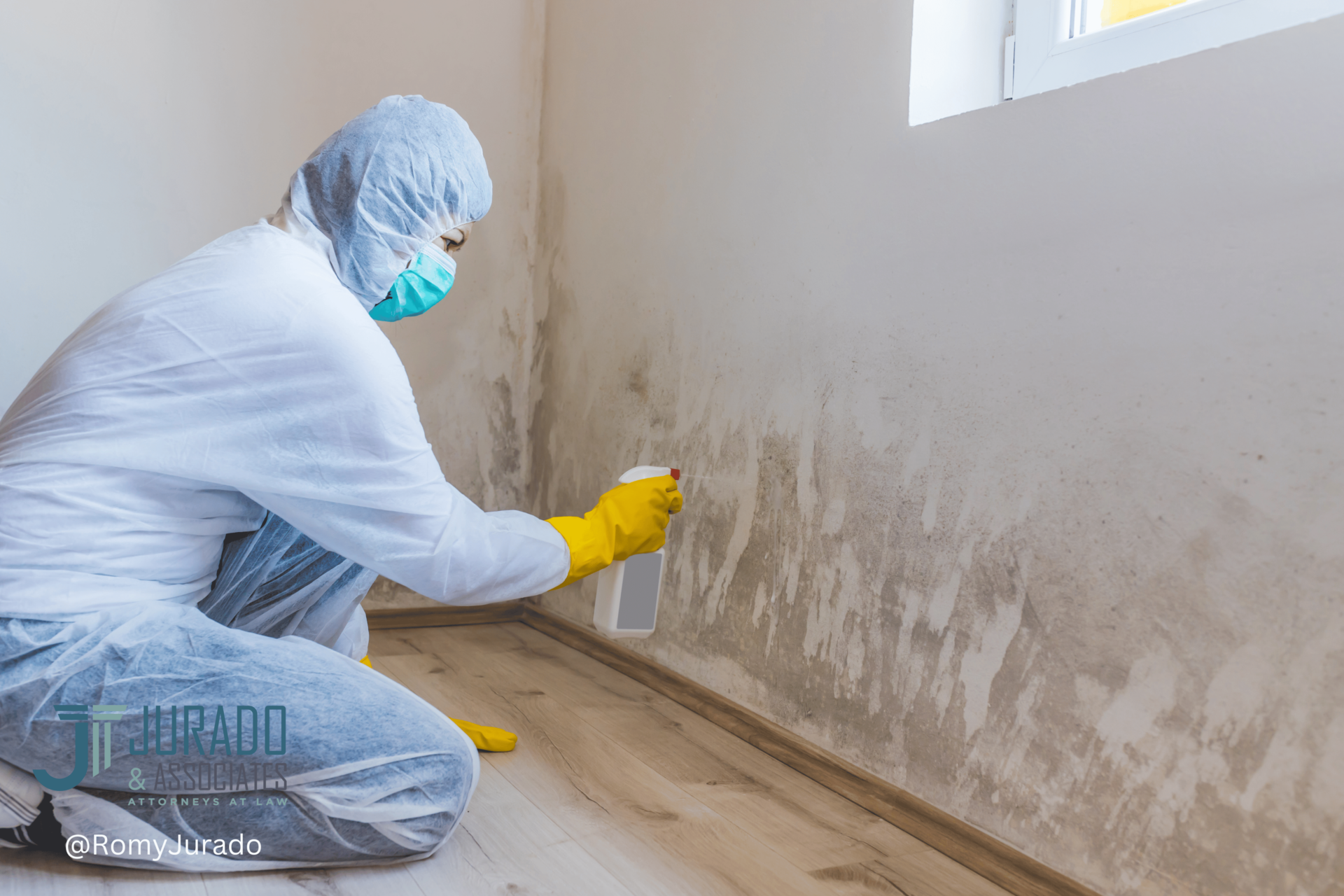
Hallway walls, baseboards, doors, and frames can collect dust, fingerprints, scuff marks, and other visible buildup. These areas are sometimes overlooked during basic cleaning.
Including them in a regular janitorial routine helps maintain a more complete and consistent level of office cleanliness.
Why Is Regular Hallway Cleaning Important?
Clean hallways support the overall appearance and usability of an office. Since employees and visitors frequently move through these areas, maintaining clean floors, doors, surfaces, and entrances can make the workplace feel more organized and welcoming.
For businesses in Houston and surrounding Texas communities, janitorial teams can create cleaning schedules based on office size, traffic levels, flooring types, operating hours, and specific facility needs.
Final Thoughts
Janitorial teams maintain office hallways by combining regular floor cleaning, dust removal, spot treatment, high-touch surface cleaning, waste removal, and attention to doors, walls, and baseboards. Consistent hallway maintenance helps businesses maintain a cleaner, safer, and more presentable workplace for employees, customers, and visitors.