How Do You Know When Commercial Floors Need Refinishing?
Commercial floors experience heavy foot traffic every day. Over time, dirt, scratches, stains, and regular wear can affect their appearance and condition. While routine cleaning and commercial floor care can help maintain flooring, there may come a point when cleaning alone is no longer enough.
Knowing the signs of worn flooring can help business owners determine when professional refinishing may be appropriate.
1. Floors Look Dull After Cleaning
One of the most noticeable signs is persistent dullness. If your floors still look cloudy, faded, or worn shortly after professional cleaning, the finish may have deteriorated.
Refinishing may help restore the appearance of certain flooring surfaces when recommended for that specific material.
2. Visible Scratches and Scuff Marks
High-traffic commercial floors can develop scratches, scuff marks, and other surface imperfections. If routine cleaning cannot remove these marks, the floor may require additional maintenance.
Areas near entrances, hallways, reception desks, and frequently used workspaces often show wear first.
3. The Finish Is Wearing Away
Some commercial flooring systems have protective finishes designed to help protect the underlying surface. When that finish becomes thin or uneven, the floor may appear less attractive and become more difficult to maintain.
A professional floor care provider can evaluate the condition and determine whether refinishing is appropriate.
4. Stains No Longer Come Out Easily
Persistent stains can indicate that the surface has become heavily worn or that the flooring material has been affected. However, not every stain means refinishing is necessary.
Professional janitorial services can assess the floor and determine whether deep cleaning, spot treatment, refinishing, or another maintenance method is more suitable.
5. High-Traffic Areas Look Different
If entrances and hallways look noticeably different from less-used areas, heavy foot traffic may be affecting the floor’s finish.
A consistent commercial floor maintenance program can help slow this type of wear and identify areas that may need additional attention.
6. Routine Cleaning Is No Longer Enough
Regular sweeping, vacuuming, and mopping are essential for maintaining commercial floors. However, cleaning cannot always correct physical wear or deterioration of a floor finish.
If your floor remains dull, scratched, or worn despite consistent cleaning, professional evaluation may be worthwhile.
How Often Do Commercial Floors Need Refinishing?
There is no universal refinishing schedule. The appropriate frequency depends on the flooring material, finish, foot traffic, cleaning methods, maintenance history, and manufacturer’s recommendations.
High-traffic commercial facilities may require more frequent professional evaluation than low-traffic offices.
Refinishing vs. Replacing Commercial Floors
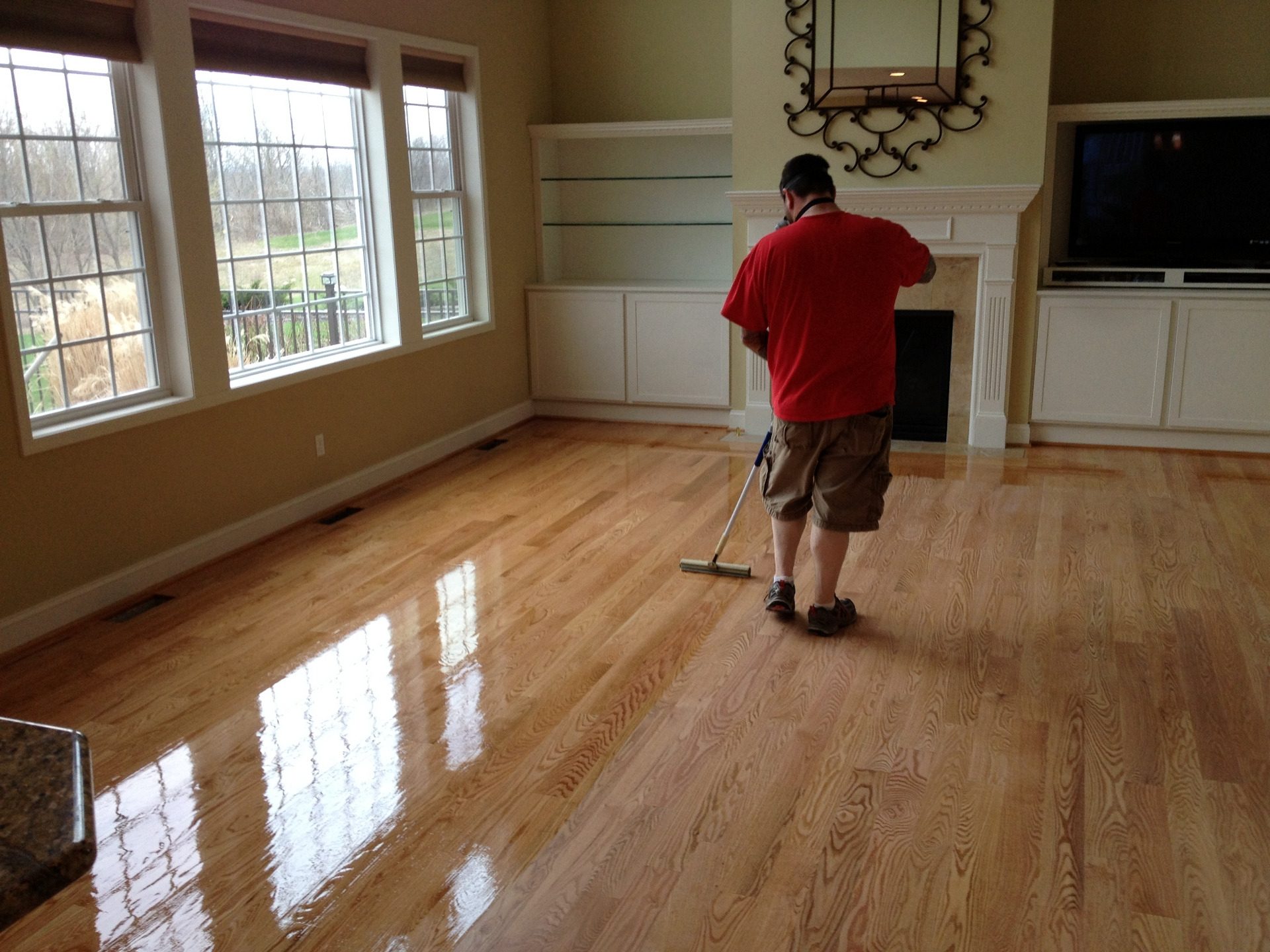
Refinishing can sometimes restore an existing floor without requiring complete replacement. However, it is not appropriate for every flooring type or condition.
If the underlying material is severely damaged, warped, cracked, or beyond repair, replacement may be more appropriate. A professional floor care provider can evaluate the condition and recommend the most suitable option.
How Can Regular Floor Care Prevent Premature Wear?
Regular maintenance can help extend the useful life of commercial flooring. A proper program may include:
- Routine sweeping and vacuuming
- Regular mopping
- Prompt spill cleanup
- Entrance mat maintenance
- Periodic deep cleaning
- Appropriate floor maintenance
- Professional inspections
Keeping dirt and debris under control can help reduce unnecessary surface wear.
Frequently Asked Questions
How do I know if my commercial floor needs refinishing?
Persistent dullness, scratches, scuff marks, worn finishes, and stains that remain after routine cleaning may indicate that professional floor maintenance is needed.
Can professional cleaning restore worn floors?
Cleaning can remove dirt and buildup, but it cannot repair every type of surface damage. If the finish is worn, refinishing or another maintenance method may be necessary.
Is refinishing better than replacing a commercial floor?
It depends on the flooring material and its condition. If the underlying floor is structurally sound, refinishing may be an option. Severely damaged flooring may require replacement.
How can I extend the life of commercial floors?
Regular cleaning, prompt spill removal, appropriate maintenance, entrance mats, and professional floor care can help reduce premature wear.
Keep Your Commercial Floors Looking Their Best
Recognizing the signs of worn flooring can help businesses address maintenance issues before they become more serious. Regular commercial floor care combined with professional evaluation can help maintain the appearance and condition of your floors.
If your commercial floors look dull, scratched, stained, or heavily worn despite regular cleaning, contact a professional floor care and janitorial service for an assessment and maintenance plan tailored to your flooring type.