What Cleaning Services Does a Dental Office Need?
Dental offices require consistent cleaning because patients, dental professionals, administrative staff, and visitors use the facility throughout the day. A clean and organized environment can support daily operations, patient comfort, and a professional appearance.
Professional dental office cleaning services can provide routine janitorial support for reception areas, waiting rooms, offices, restrooms, floors, and other designated spaces. However, routine janitorial cleaning should be clearly separated from clinical infection-control procedures, instrument sterilization, and regulated medical-waste handling, which require appropriate healthcare protocols and trained personnel.
What Cleaning Services Does a Dental Office Need?
A dental office may benefit from a customized cleaning program that includes:
- Reception and waiting room cleaning
- Office and administrative-area cleaning
- Restroom cleaning and sanitation
- Floor sweeping, vacuuming, and mopping
- High-touch surface cleaning
- Trash removal
- Break room maintenance
- Door and entrance cleaning
- Dusting and surface care
- Periodic deep cleaning
The exact scope should be based on the dental practice’s layout, traffic, operating hours, and cleaning requirements.
1. Reception and Waiting Room Cleaning
The reception area is often the first part of a dental office that patients see. Chairs, tables, counters, floors, doors, and other surfaces can accumulate dust, fingerprints, and everyday debris.
Routine commercial cleaning services can help maintain these areas and create a cleaner, more welcoming environment.
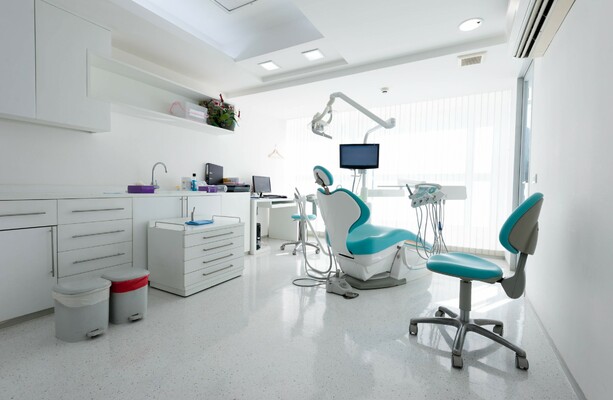
2. Dental Treatment Area Cleaning
Treatment rooms require careful attention to cleaning procedures and facility protocols.
Routine janitorial teams may be responsible for designated floors and general environmental surfaces, depending on the agreement. Clinical staff and appropriately trained personnel remain responsible for cleaning and disinfecting clinical surfaces according to the dental practice’s infection-control procedures.
Clear responsibilities are essential to prevent gaps or duplication.
3. High-Touch Surface Cleaning
Dental offices contain many frequently touched surfaces, including:
- Door handles
- Light switches
- Reception counters
- Chair arms
- Handrails
- Faucet handles
- Cabinet handles
A customized janitorial cleaning plan can identify which non-clinical high-touch surfaces require routine attention.
Where disinfection is required, the dental practice should establish appropriate products and procedures based on healthcare and manufacturer requirements.
4. Restroom Cleaning and Sanitation
Patient and staff restrooms require regular maintenance.
Janitorial services may include cleaning sinks, toilets, faucets, mirrors, floors, partitions, and other designated surfaces. Waste removal and supply restocking can also be included when specified.
Cleaning frequency should reflect restroom usage and office traffic.
5. Dental Office Floor Cleaning
Floors can collect dust, dirt, debris, and moisture throughout the day.
Depending on the flooring material, routine janitorial services may include:
- Vacuuming
- Sweeping
- Mopping
- Spot cleaning
- Removal of visible debris
Different flooring materials require different cleaning methods, so the cleaning team should follow facility and manufacturer recommendations.
6. Administrative Office Cleaning
Dental practices also contain offices, billing areas, staff workspaces, and other administrative rooms.
Routine cleaning may include dusting, vacuuming, surface cleaning, floor care, and waste removal in designated areas.
Keeping administrative spaces clean can support a more organized workplace for dental staff.
7. Break Room and Staff Areas
Employee break rooms and kitchen areas can accumulate food debris, spills, and waste.
A dental office janitorial service may clean designated floors, tables, counters, and waste containers according to the service agreement.
Food-preparation equipment may require separate cleaning procedures.
8. Trash and Waste Removal
Regular trash removal helps prevent waste from accumulating throughout the facility.
General office waste can typically be handled as part of routine janitorial services. However, dental offices may generate regulated or potentially hazardous waste that requires specialized handling.
Items such as sharps, certain clinical waste, and other regulated materials should be managed according to applicable regulations and the practice’s established procedures—not treated as ordinary janitorial waste.
9. Entrance and Door Cleaning
Dental office entrances experience frequent contact from patients, employees, and visitors.
Routine cleaning can address visible dirt, fingerprints, and debris on accessible doors, handles, entry floors, and surrounding surfaces.
Maintaining the entrance can contribute to the overall professional appearance of the practice.
10. Periodic Deep Cleaning
In addition to routine cleaning, dental offices may benefit from periodic detailed cleaning.
Depending on the facility, this can include more thorough attention to:
- Baseboards
- Corners
- High and low surfaces
- Less frequently cleaned areas
- Detailed floor care
- Interior glass
- Hard-to-reach accessible surfaces
The frequency should depend on facility usage and cleaning requirements.
11. Cleaning During the Right Hours
Dental offices can be busy throughout the day, making cleaning schedules important.
Many practices choose cleaning before opening or after closing to reduce disruption. Others may use daytime cleaning for selected common areas.
The best schedule depends on appointment volume, operating hours, access requirements, and staff availability.
12. Quality Control Matters
A professional commercial janitorial company should have procedures for monitoring cleaning quality.
Quality-control methods may include:
- Cleaning checklists
- Supervisor inspections
- Routine audits
- Service reports
- Customer feedback
- Corrective cleaning procedures
For dental practices, communication between the cleaning company and office management is particularly important when defining responsibilities for clinical and non-clinical areas.
Benefits of Professional Dental Office Cleaning
A customized janitorial program can help dental practices:
- Maintain cleaner patient areas
- Keep restrooms properly maintained
- Support a professional appearance
- Reduce routine cleaning responsibilities
- Maintain floors and common areas
- Keep entrances and waiting areas presentable
- Establish consistent cleaning schedules
Professional janitorial cleaning complements the dental practice’s own clinical infection-control program rather than replacing it.
Frequently Asked Questions
What should a dental office cleaning service include?
It may include waiting room cleaning, reception-area maintenance, restroom sanitation, floor cleaning, dusting, waste removal, high-touch surface cleaning, and other designated janitorial tasks.
Can janitorial staff clean dental treatment rooms?
They may clean designated non-clinical areas or surfaces when properly instructed and authorized. Clinical cleaning and disinfection should follow the dental practice’s infection-control procedures and be performed by appropriately trained personnel.
How often should a dental office be cleaned?
Frequency depends on patient volume, office size, operating hours, restroom usage, and facility requirements. High-traffic practices may require daily service.
Can dental office cleaning be customized?
Yes. Professional janitorial services can be customized according to the dental practice’s layout, schedule, traffic, cleaning priorities, and responsibilities.
Choosing a Dental Office Cleaning Company
When selecting a commercial cleaning company for a dental office, ask about experience with healthcare environments, staff training, cleaning procedures, insurance, quality control, scheduling, and communication.
Clearly define which areas the janitorial team will clean and which clinical tasks remain under the responsibility of the dental practice.
Keep Your Dental Office Clean and Professional
A dental office needs a cleaning program that addresses both routine facility maintenance and the unique requirements of a healthcare environment. Professional dental office janitorial services can support reception areas, waiting rooms, restrooms, floors, administrative spaces, entrances, and other designated areas.
The best approach is to create a detailed cleaning plan with clear responsibilities, appropriate procedures, and a schedule that fits the practice’s daily operations. This helps maintain a cleaner, more organized, and professional dental office for patients and staff.