How Janitorial Services Support Commercial Kitchens
Commercial kitchens operate in fast-paced environments where cleanliness and routine maintenance are essential. Daily food preparation can create grease, food debris, spills, odors, and heavy foot traffic, making consistent cleaning an important part of facility operations.
Professional janitorial services for commercial kitchens help businesses maintain designated areas through scheduled cleaning, sanitation, waste removal, and routine facility maintenance.
Why Is Commercial Kitchen Cleaning Important?
A commercial kitchen can become difficult to maintain without a structured cleaning routine. Food particles, spills, grease, and moisture can accumulate on appropriate surfaces and floors throughout the day.
Regular commercial cleaning services help businesses address routine cleaning requirements while allowing kitchen staff to focus on food preparation and daily operations.
Professional janitorial services should complement, not replace, the kitchen’s required food-safety procedures and specialized cleaning responsibilities.
How Janitorial Services Support Commercial Kitchens
1. Routine Surface Cleaning
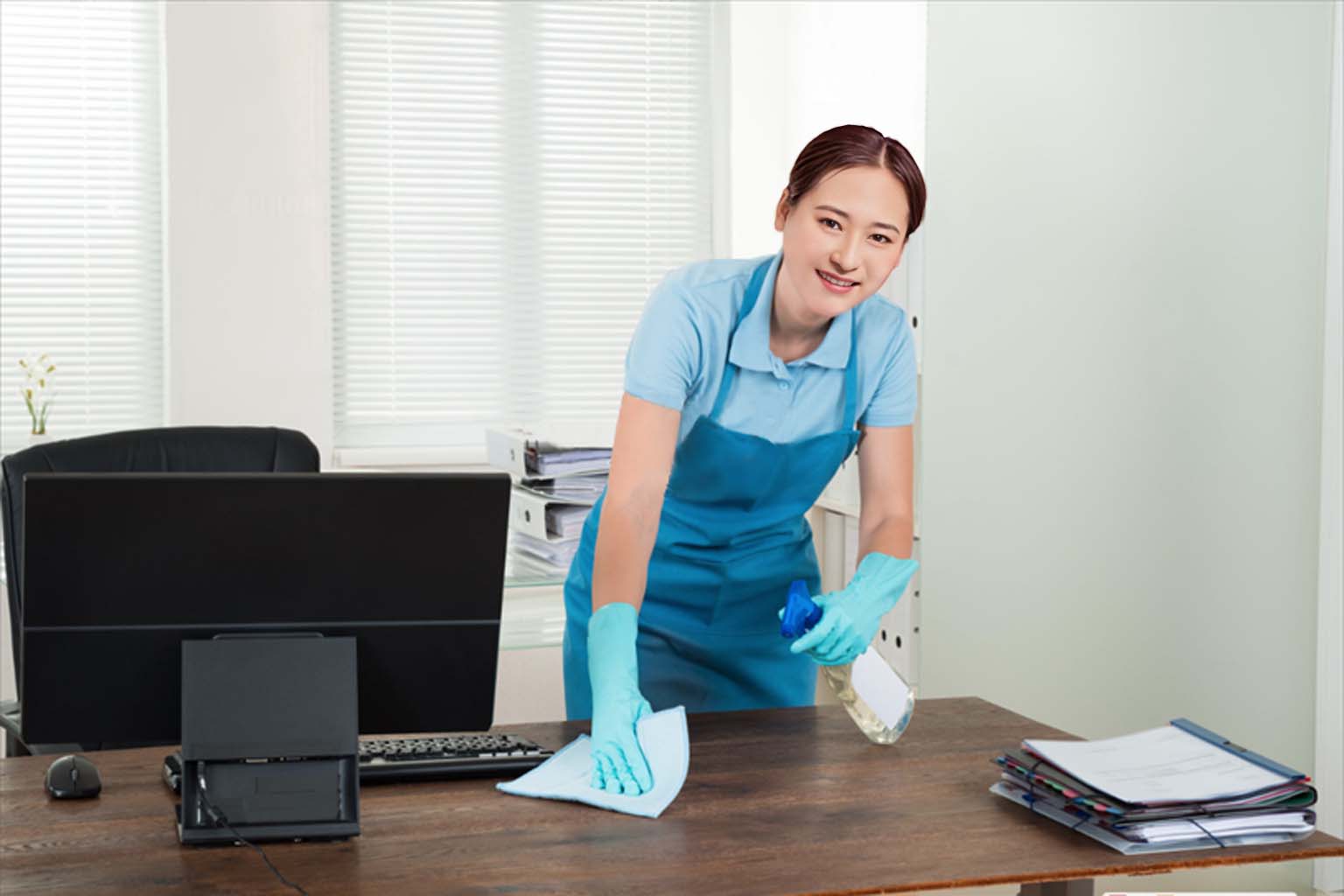
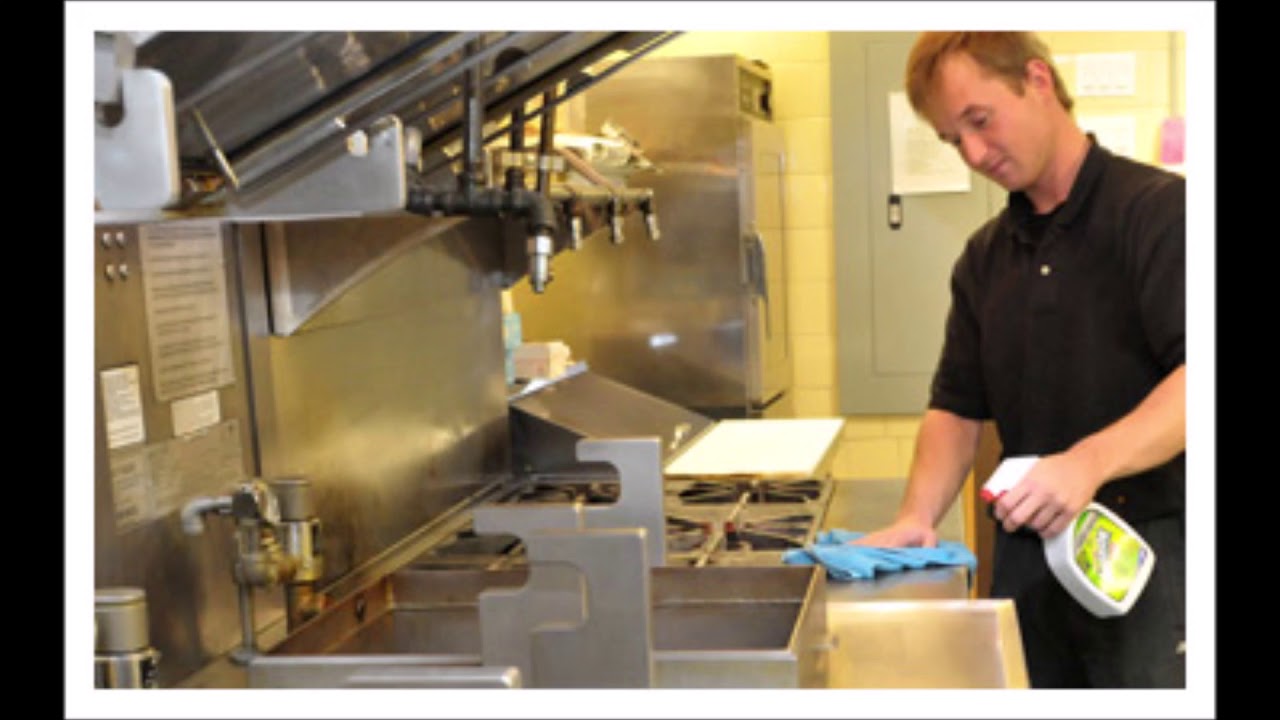
Commercial kitchens have many surfaces that require frequent attention. Depending on the service agreement, janitorial staff may clean appropriate countertops, tables, exterior surfaces, doors, and other designated areas.
Cleaning methods should always be suitable for the material and follow applicable facility procedures.
2. Floor Cleaning
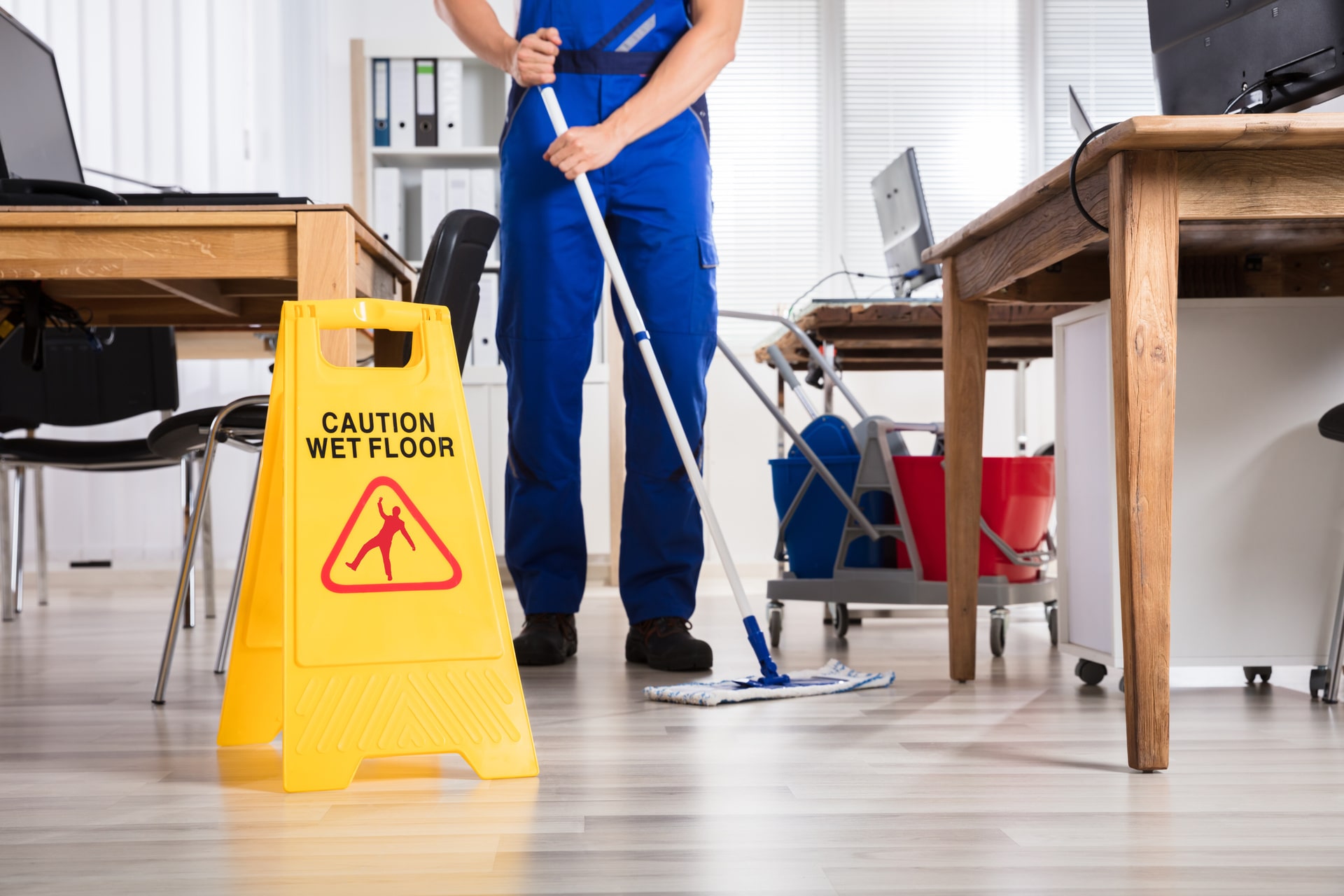
Kitchen floors can accumulate food debris, dirt, and moisture. Regular sweeping and mopping can help maintain cleaner floors.
Spills should be addressed promptly according to the facility’s safety procedures to help reduce slip hazards.
For commercial floors, cleaning methods should be selected based on the specific flooring material.
3. Waste Removal
Commercial kitchens can produce significant amounts of waste throughout the day. Scheduled trash and recycling removal helps prevent waste from accumulating in work areas and other designated spaces.
Proper waste handling should follow the facility’s procedures and applicable regulations.
4. High-Touch Surface Cleaning
Frequently touched areas may require regular cleaning as part of the janitorial plan.
Examples include:
- Door handles
- Faucet handles
- Light switches
- Push plates
- Handrails
- Shared equipment surfaces
The appropriate cleaning or sanitation method depends on the surface and facility requirements.
5. Break Room and Employee Areas
Commercial kitchen employees may use break rooms, staff areas, and shared spaces throughout the day.
Janitorial services can include routine cleaning of these designated areas to maintain a cleaner and more organized workplace.
6. Restroom Maintenance
If the facility includes employee or customer restrooms, janitorial staff can provide scheduled restroom cleaning and sanitation.
Services may include fixture cleaning, floor care, waste removal, high-touch surface cleaning, and supply restocking when included in the service agreement.
7. Entryway and Common-Area Maintenance
Commercial kitchens may be part of restaurants, hotels, cafeterias, catering facilities, schools, or other properties.
Janitorial teams can maintain entrances, hallways, waiting areas, and other common spaces to help keep the overall facility presentable.
Janitorial Cleaning vs. Specialized Kitchen Cleaning
It is important to understand that janitorial services do not necessarily cover every specialized commercial kitchen cleaning task.
Certain areas, such as cooking equipment, exhaust systems, grease containment areas, or other specialized systems, may require trained specialists and cleaning procedures specified by the equipment manufacturer, facility management, or applicable regulations.
Before hiring a janitorial company, businesses should clearly define which kitchen areas and tasks are included in the service agreement.
How Often Should Commercial Kitchens Be Cleaned?
Cleaning frequency depends on the kitchen’s size, operating hours, food preparation volume, employee count, and daily traffic.
A busy restaurant kitchen may require cleaning attention multiple times throughout the day, while janitorial services may handle designated areas according to a separate recurring schedule.
A customized commercial janitorial cleaning plan can help coordinate routine facility maintenance around kitchen operations.
Benefits of Professional Janitorial Services for Commercial Kitchens
Professional janitorial support can help businesses:
- Maintain cleaner designated areas
- Reduce routine cleaning responsibilities for kitchen staff
- Keep floors and common areas maintained
- Manage waste consistently
- Support restroom cleanliness
- Maintain a professional facility appearance
- Establish predictable cleaning schedules
A clear division of responsibilities between kitchen staff, janitorial personnel, and specialized cleaning providers can make facility maintenance more organized.
Frequently Asked Questions
What do janitorial services clean in a commercial kitchen?
Depending on the agreement, janitorial services may handle designated floors, surfaces, waste areas, employee spaces, restrooms, entrances, and common areas. Specialized kitchen equipment may require separate services.
How often should a commercial kitchen be cleaned?
Cleaning frequency depends on kitchen activity, operating hours, food preparation volume, and applicable requirements. Many kitchen areas require cleaning throughout the operating day, while routine janitorial services may follow a scheduled plan.
Can janitorial services handle kitchen floor cleaning?
Yes. Professional janitorial teams can clean designated commercial kitchen floors using methods appropriate for the flooring material and facility procedures.
Do janitorial companies clean kitchen exhaust systems?
Not necessarily. Exhaust hoods, ducts, and other specialized systems may require qualified specialists and specific cleaning procedures.
Choose the Right Commercial Kitchen Janitorial Service
Professional janitorial services for commercial kitchens can provide valuable support with routine facility cleaning, floor care, waste removal, restroom maintenance, and common-area upkeep.
The best approach is to create a customized cleaning plan that clearly defines responsibilities and works around the kitchen’s operating schedule.
If your restaurant, cafeteria, catering facility, or commercial property needs dependable commercial janitorial services, choose a provider that understands your facility’s cleaning requirements and can deliver consistent, scheduled maintenance.