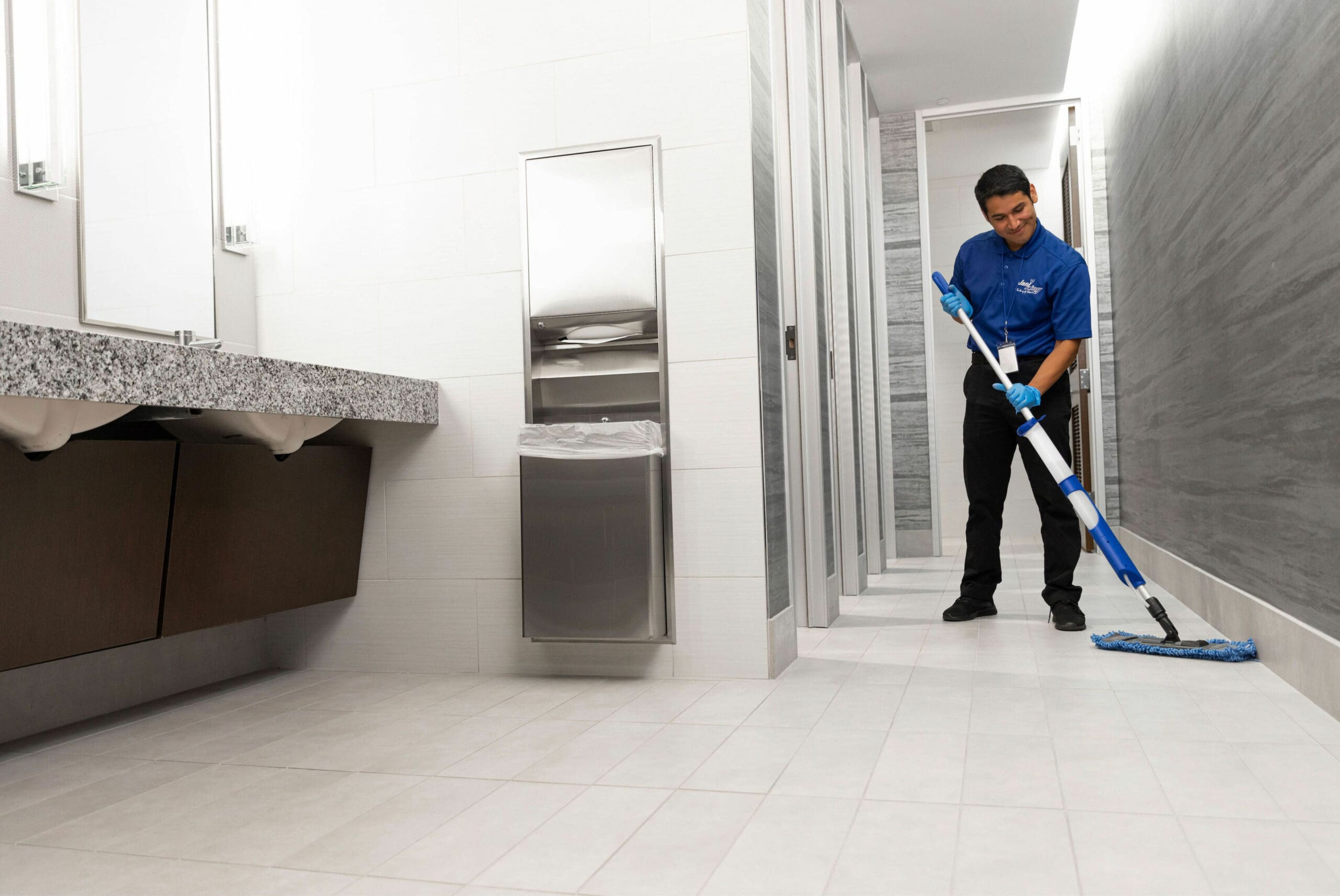
How to Create a Commercial Cleaning Schedule
A consistent commercial cleaning schedule helps businesses maintain a clean, organized, and professional workplace. Without a clear plan, important areas such as restrooms, floors, break rooms, and high-touch surfaces can easily be overlooked.
Whether you manage a small office or a large commercial facility, creating a structured cleaning schedule can make workplace maintenance more efficient and predictable.
What Is a Commercial Cleaning Schedule?
A commercial cleaning schedule is a planned list of cleaning tasks organized by frequency. It identifies what needs to be cleaned, how often it should be cleaned, and which areas require additional attention.
A typical schedule may include:
- Daily cleaning
- Weekly cleaning
- Monthly cleaning
- Seasonal or periodic deep cleaning
The right schedule depends on your facility size, number of employees, foot traffic, industry, and operating hours.
1. Assess Your Facility
Start by identifying every area that requires cleaning. Walk through your property and make a list of:
- Offices and workstations
- Reception areas
- Hallways and entrances
- Restrooms
- Break rooms and kitchens
- Conference rooms
- Storage areas
- Floors and carpets
- High-touch surfaces
This assessment helps ensure that important areas are included in your cleaning plan.
2. Create a Daily Cleaning Checklist
Daily cleaning should focus on areas that receive frequent use.
Common daily tasks include:
- Emptying trash and recycling
- Cleaning restrooms
- Wiping high-touch surfaces
- Cleaning break rooms
- Vacuuming or sweeping high-traffic areas
- Spot-cleaning visible spills
- Cleaning entrances and reception areas
Daily maintenance helps prevent dirt and clutter from accumulating.
3. Add Weekly Cleaning Tasks
Some areas may not require daily deep cleaning but should receive regular weekly attention.
Weekly tasks can include:
- Detailed floor cleaning
- Vacuuming less-used areas
- Dusting furniture and fixtures
- Cleaning interior glass
- Cleaning conference rooms
- Deep cleaning break rooms
- Cleaning corners and hard-to-reach areas
4. Schedule Monthly and Periodic Tasks
Monthly or periodic cleaning can address areas that require less frequent attention.
These tasks may include:
- Detailed floor care
- Cleaning baseboards
- High dusting
- Cleaning vents and fixtures
- Deep cleaning carpets
- Detailed cleaning of less-used areas
The frequency should be adjusted according to your facility and specific cleaning requirements.
5. Prioritize High-Traffic Areas
Not every area of a commercial property needs the same cleaning frequency. Entrances, restrooms, kitchens, elevators, hallways, and reception areas often require more attention because they experience higher traffic.
Prioritizing these areas can make your commercial cleaning services more efficient.
6. Consider Your Business Hours
Your cleaning schedule should work around your business operations. Some companies prefer cleaning before employees arrive, while others schedule services after business hours.
For busy facilities, janitorial services can sometimes be arranged during evenings, nights, or other suitable periods to minimize disruption.
7. Assign Cleaning Responsibilities
If employees handle some cleaning tasks, clearly define who is responsible for each area. However, routine commercial cleaning is often more effective when handled by trained cleaning professionals.
A professional commercial cleaning company can manage scheduled tasks and maintain consistency across the facility.
8. Review and Adjust the Schedule
Your cleaning needs may change over time. Review the schedule regularly and adjust it when employee numbers, operating hours, facility usage, or seasonal conditions change.
A flexible cleaning plan helps ensure your workplace receives the right level of service.
Sample Commercial Cleaning Schedule
| Frequency | Common Cleaning Tasks |
|---|---|
| Daily | Trash removal, restroom cleaning, high-touch surfaces, break rooms |
| Weekly | Detailed floor cleaning, dusting, conference rooms |
| Monthly | High dusting, baseboards, detailed floor care |
| Periodic | Carpet cleaning, deep cleaning, special maintenance |
Frequently Asked Questions
How often should a commercial building be cleaned?
The ideal frequency depends on building size, foot traffic, business type, and facility usage. High-traffic businesses may require daily cleaning, while smaller offices may need service several times per week.
What should be cleaned every day?
Daily cleaning commonly includes restrooms, trash bins, high-touch surfaces, break rooms, entrances, and high-traffic floors.
Who should create a commercial cleaning schedule?
A facility manager or business owner can create a basic schedule, while a professional janitorial company can recommend a customized plan based on the facility’s specific needs.
Can a commercial cleaning schedule be customized?
Yes. Professional cleaning providers can adjust cleaning frequency, tasks, and service times according to your facility, operating hours, and budget.
Keep Your Commercial Facility Consistently Clean
A well-planned commercial cleaning schedule helps businesses stay organized and ensures important cleaning tasks are not overlooked. Combining daily maintenance with weekly, monthly, and periodic cleaning can provide more consistent results.
If managing your own cleaning schedule is difficult, professional janitorial services can provide a customized cleaning plan for your office or commercial facility. A reliable cleaning partner can help keep your workplace clean, professional, and ready for employees and visitors.