Why Janitorial Employee Training Matters
Janitorial employee training is an important part of maintaining consistent commercial cleaning services. Cleaning employees work with different surfaces, equipment, cleaning products, and facility requirements, so proper training helps them understand how to perform their responsibilities safely and effectively.
A structured training program can improve cleaning quality, reduce mistakes, support workplace safety, and help employees follow the cleaning standards expected by commercial clients.
Improves Cleaning Quality
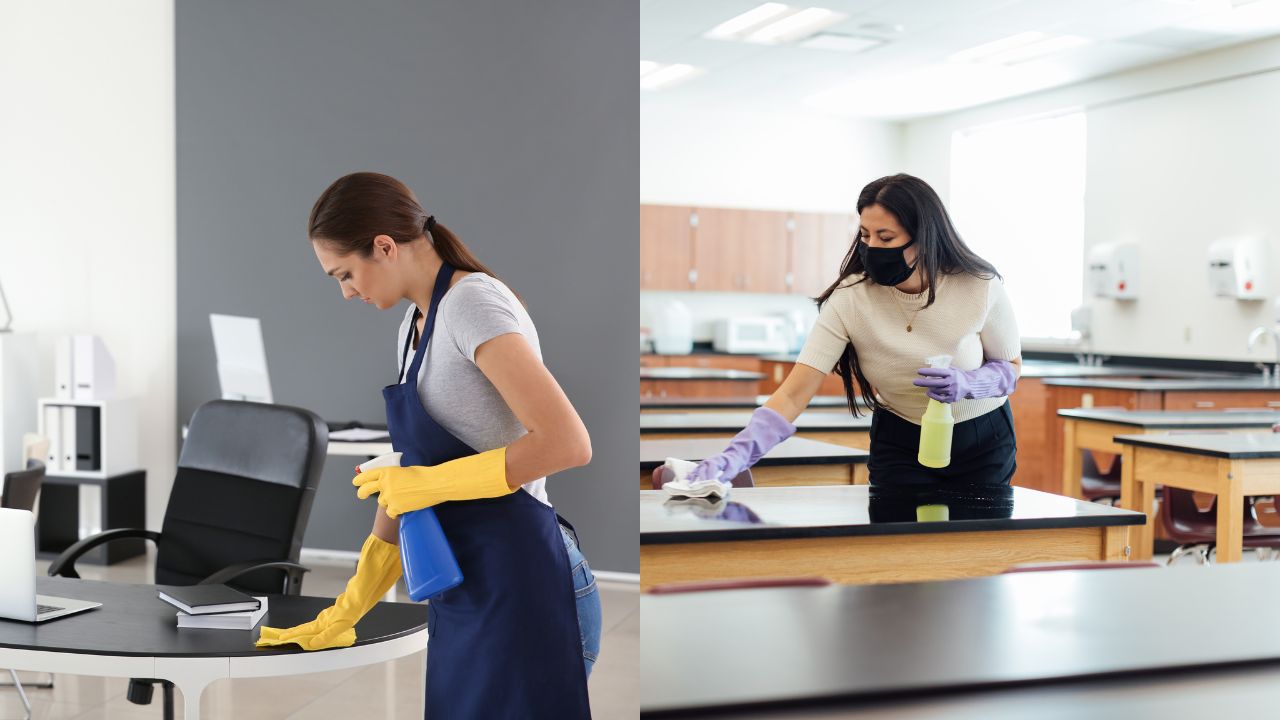
Training helps janitorial employees understand proper cleaning methods for offices, restrooms, floors, common areas, and other facility spaces. Employees who understand appropriate procedures can complete routine tasks more consistently and pay attention to areas that are frequently overlooked.
Supports Safe Cleaning Practices
Cleaning employees may handle equipment and chemical products as part of their daily responsibilities. Training can cover appropriate product use, labeling, storage, personal protective equipment, spill response, and other applicable safety procedures.
Following proper procedures can help reduce unnecessary risks during routine cleaning activities.
Helps Employees Use Equipment Properly
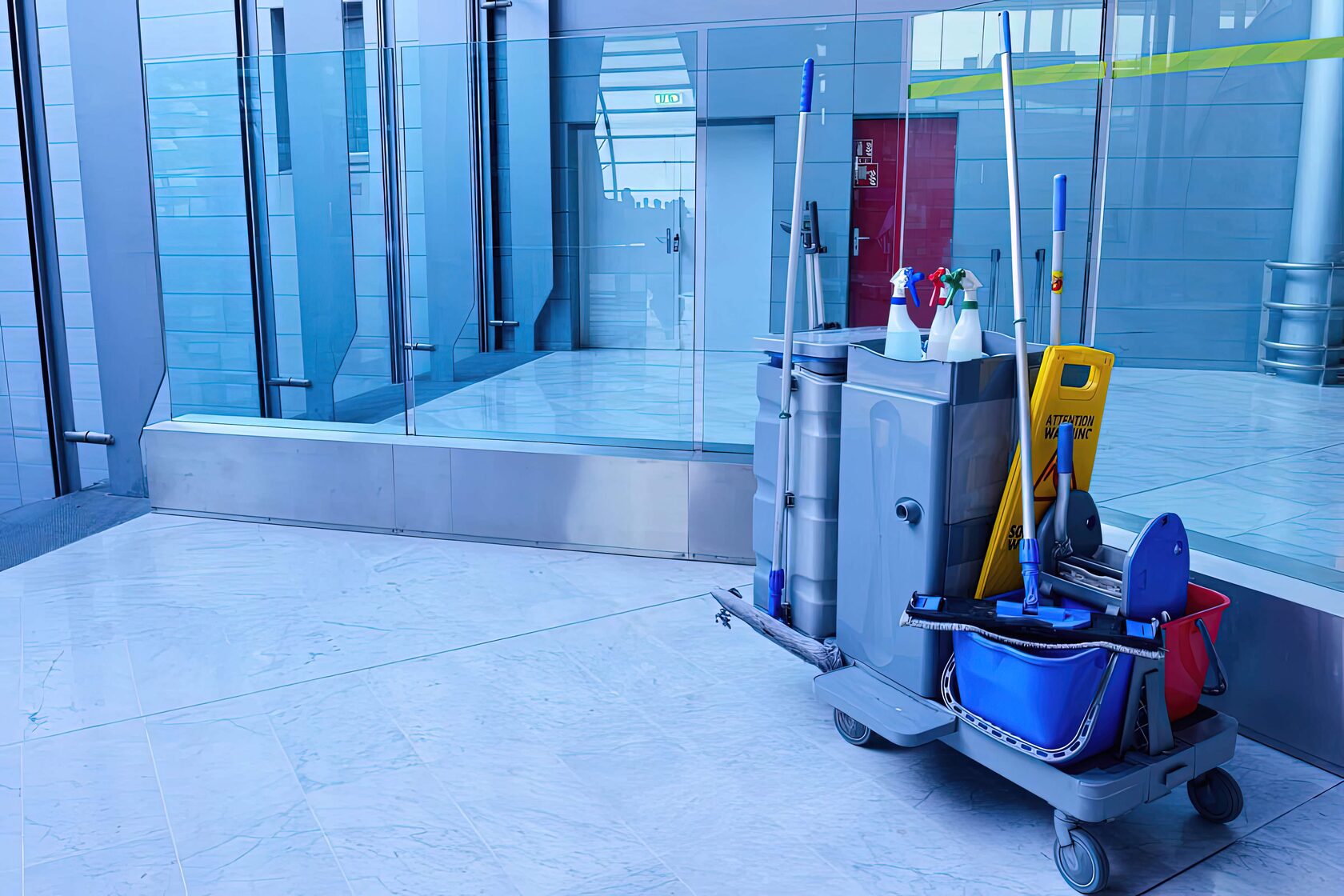
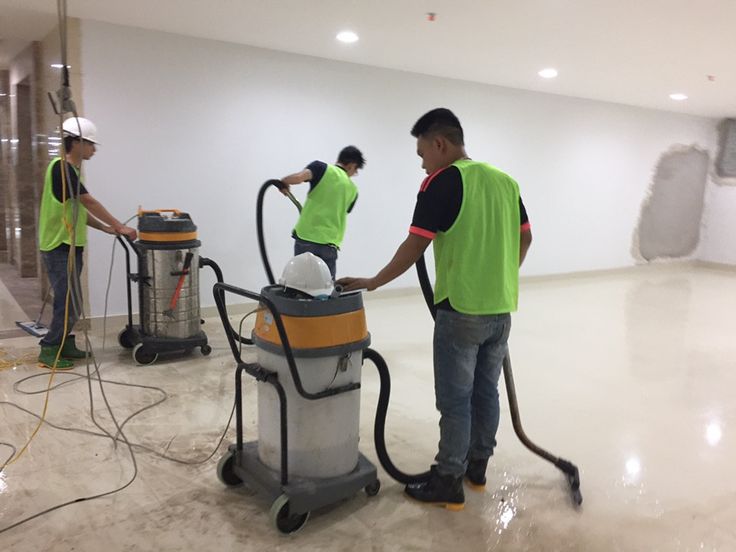
Commercial cleaning may involve vacuums, floor machines, mops, cleaning tools, and other equipment. Employees should understand how to operate, clean, store, and maintain equipment according to applicable instructions.
Proper equipment training can help prevent avoidable damage and improve cleaning efficiency.
Creates Consistent Cleaning Standards
Different employees may have different levels of experience. Standardized training helps establish consistent expectations for cleaning procedures, quality checks, workplace conduct, and facility-specific requirements.
This consistency is particularly important when multiple employees work on the same commercial property.
Improves Productivity and Efficiency
Well-trained employees can better understand their responsibilities, organize cleaning tasks, and use supplies efficiently. Clear procedures can reduce confusion and unnecessary delays during scheduled cleaning services.
Training can also help employees recognize when an area requires additional attention or when an issue should be reported to a supervisor.
Supports Ongoing Employee Development
Janitorial training should not always end after initial onboarding. Refresher training can help employees stay familiar with updated procedures, equipment, safety practices, and client requirements.
Regular coaching and performance feedback can further support continuous improvement.
Helps Meet Facility-Specific Requirements
Every commercial facility has different cleaning priorities. An office may require detailed attention to workstations and common areas, while a retail facility may have greater cleaning needs in entrances, customer areas, and restrooms.
For businesses in Houston and surrounding Texas communities, facility-specific janitorial training can help cleaning teams adapt their work to building size, traffic levels, operating hours, and service expectations.
Final Thoughts
Janitorial employee training matters because it supports cleaning quality, safety, efficiency, consistency, and reliable facility maintenance. A structured training program combined with supervision and ongoing education can help janitorial teams provide more consistent service for commercial facilities.