Why Janitorial Safety Training Is Important
Janitorial professionals work in many different environments, including offices, schools, healthcare facilities, retail buildings, warehouses, apartment communities, and commercial properties. Their daily responsibilities can involve cleaning chemicals, equipment, wet floors, electrical areas, waste materials, and physically demanding tasks.
Because of these responsibilities, janitorial safety training is an essential part of professional commercial cleaning. Proper training helps cleaning employees recognize potential hazards, follow established procedures, use equipment correctly, and maintain a safer environment for themselves, clients, employees, and visitors.
What Is Janitorial Safety Training?
Janitorial safety training teaches cleaning professionals how to perform their responsibilities while reducing exposure to common workplace hazards. Training can cover chemical handling, personal protective equipment, cleaning equipment, slip-and-fall prevention, waste handling, lifting techniques, emergency procedures, and facility-specific safety requirements.
A strong training program should be practical and relevant to the actual environments where cleaning employees work. Different facilities may have different hazards, so training should be adapted to the specific cleaning responsibilities and site requirements.
1. Helps Identify Workplace Hazards
Cleaning professionals encounter different hazards during routine work. Wet floors, cluttered walkways, electrical equipment, chemicals, sharp objects, and heavy materials can create potential risks.
Safety training helps janitorial employees identify these hazards before starting a task. Recognizing risks early allows workers to take appropriate precautions and follow established procedures.
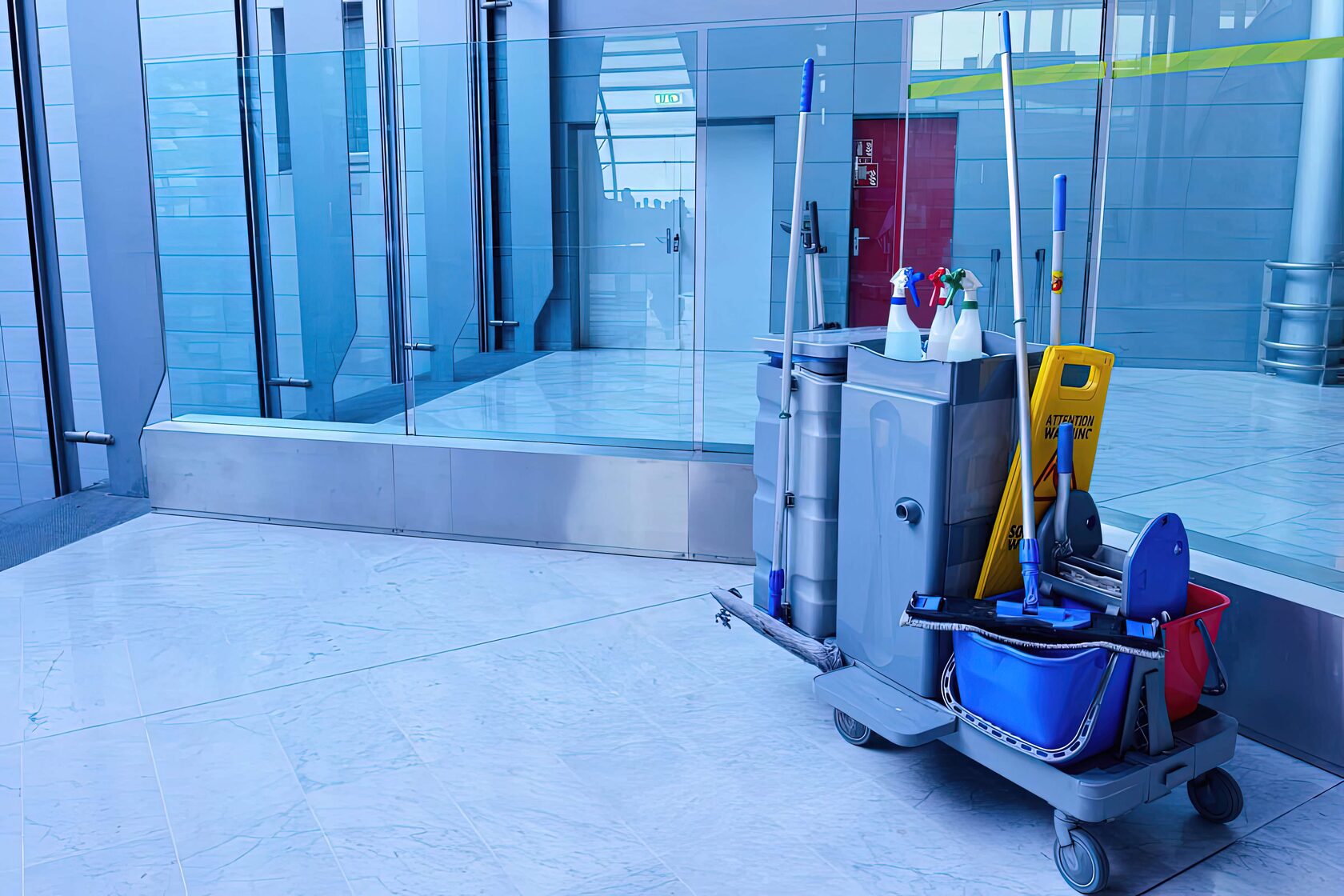
For example, employees should understand how to identify a wet floor, place appropriate warning signage, and maintain safe access while cleaning.
2. Promotes Proper Chemical Handling
Cleaning chemicals are an important part of many commercial janitorial programs. However, improper use, storage, or handling can create unnecessary risks.
Janitorial safety training can teach employees how to:
- Read and follow product labels
- Use cleaning products according to instructions
- Understand required precautions
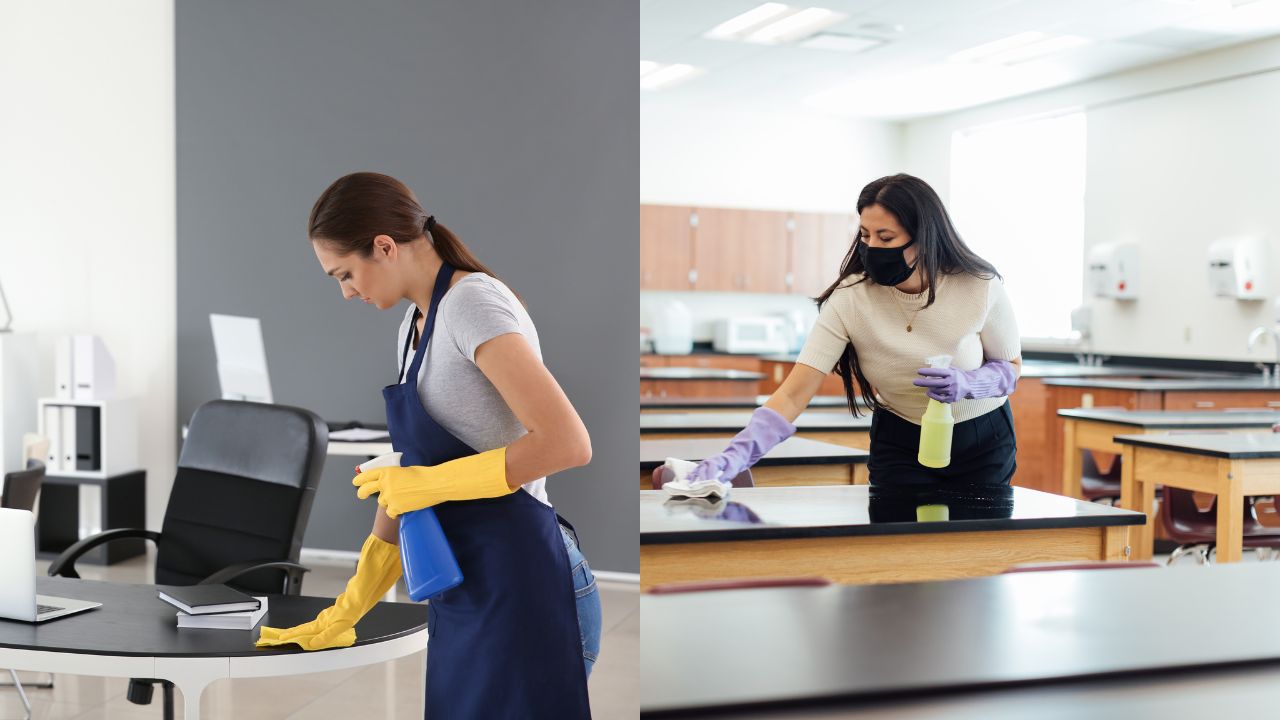
- Use appropriate personal protective equipment
- Store cleaning products properly
- Avoid unauthorized chemical mixing
- Respond appropriately to spills
Professional cleaning companies should ensure employees understand the products they are expected to use and follow applicable workplace procedures.
3. Supports Safe Cleaning Equipment Use
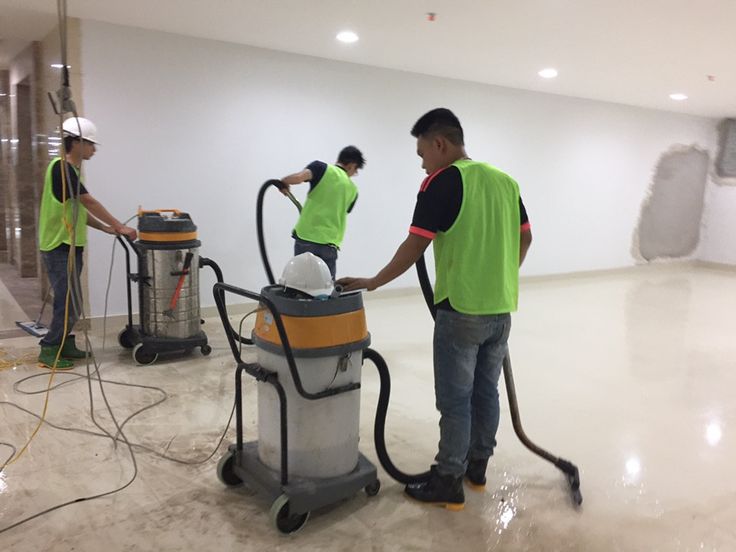
Commercial cleaning can involve vacuum cleaners, floor machines, carpet extractors, pressure washers, ladders, and other equipment. Incorrect operation can result in property damage, equipment problems, or employee injuries.
Training helps employees understand how equipment should be operated, inspected, cleaned, stored, and maintained. Workers should also understand manufacturer instructions and facility-specific requirements.
Proper equipment training improves consistency and helps employees complete cleaning tasks more efficiently.
4. Helps Prevent Slips and Falls
Wet floors are a common concern during commercial cleaning. Water, cleaning solutions, and spills can temporarily create slippery surfaces.
Janitorial safety training should teach employees how to reduce these risks through appropriate procedures. This may include using warning signs, limiting access to wet areas, addressing spills promptly, and following appropriate floor-cleaning practices.
Keeping walkways clear and communicating temporary hazards can also help create a safer environment for employees, customers, tenants, and visitors.
5. Encourages Proper Use of Personal Protective Equipment
Depending on the task and facility, cleaning employees may need appropriate personal protective equipment. Training helps workers understand when and how protective equipment should be used.
Employees should know how to properly use, maintain, and replace required protective equipment according to workplace procedures and applicable requirements.
The right training helps ensure protective equipment is treated as an important part of safe work practices rather than simply an optional accessory.
6. Supports Safe Lifting and Material Handling
Janitorial employees may regularly move trash bags, cleaning supplies, equipment, furniture, boxes, and other materials. Repetitive lifting or improper handling can create physical strain.
Safety training can teach employees appropriate lifting and material-handling techniques. Workers should also understand when they need assistance or when equipment should be used to move heavier items.
Good material-handling practices can support safer and more efficient janitorial operations.
7. Improves Waste-Handling Practices
Cleaning teams may handle different types of waste during their daily responsibilities. General office waste, recycling, restroom waste, and facility-specific materials may require different handling procedures.
Janitorial safety training helps employees understand how waste should be collected, transported, stored, and disposed of according to the facility’s established procedures.
Specialized, regulated, or hazardous waste should be handled according to applicable requirements and the client’s approved procedures rather than treated as ordinary janitorial waste.
8. Prepares Employees for Emergencies
Unexpected incidents can happen in any commercial facility. Cleaning employees should know what to do when they encounter a spill, injury, equipment problem, or other emergency situation.
Safety training can establish clear procedures for reporting incidents, securing affected areas, notifying supervisors, and contacting appropriate emergency personnel when necessary.
Employees should also understand that they should not perform tasks beyond their training or authorization simply because an urgent situation occurs.
9. Supports Facility-Specific Safety Requirements
Every commercial property is different. An office building may have different cleaning requirements from a healthcare facility, school, retail property, or industrial workplace.
Professional janitorial companies should provide site-specific instructions when employees begin working at a new location. These instructions can cover access procedures, restricted areas, cleaning schedules, emergency contacts, equipment requirements, and facility-specific hazards.
Combining general janitorial safety training with site-specific instruction creates a more complete approach to workplace safety.
10. Improves Cleaning Quality and Consistency
Safety and cleaning quality often work together. Employees who understand proper cleaning procedures are more likely to use equipment and products correctly and follow established workflows.
Training can help cleaning teams perform tasks consistently, avoid unnecessary shortcuts, and understand why certain procedures are required.
This can benefit both the cleaning company and the client by supporting dependable service and better facility maintenance.
11. Builds a Strong Safety Culture
Safety training should not be a one-time event. Regular communication, refresher training, supervision, and performance reviews can help keep safety procedures familiar to cleaning employees.
A strong safety culture encourages employees to report hazards, ask questions, follow established procedures, and communicate concerns before they become larger problems.
Professional janitorial companies that prioritize ongoing training demonstrate a commitment to responsible service and employee well-being.
What Should a Janitorial Safety Training Program Include?
A comprehensive program can be customized to the cleaning company’s services and the facilities it serves. Common topics may include:
- Workplace hazard recognition
- Chemical safety and handling
- Cleaning equipment operation
- Personal protective equipment
- Slip-and-fall prevention
- Safe lifting and material handling
- Waste handling procedures
- Emergency response
- Incident reporting
- Facility-specific requirements
- Proper cleaning procedures
- Equipment inspection and maintenance
Training should be updated when equipment, cleaning products, procedures, or workplace conditions change.
Why Businesses Should Choose Trained Janitorial Professionals
Businesses depend on cleaning teams to maintain their facilities while working around employees, customers, tenants, and visitors. Choosing a commercial cleaning company that emphasizes employee safety training can provide additional confidence in how cleaning work is performed.
A professional janitorial provider should have structured procedures for employee training, equipment use, chemical handling, hazard awareness, and site-specific requirements.
For businesses searching for professional janitorial services, safety training should be one of the factors considered alongside experience, service quality, communication, scheduling, and cleaning capabilities.
Conclusion
Janitorial safety training is an important part of responsible commercial cleaning. It helps employees recognize workplace hazards, handle cleaning products properly, use equipment safely, prevent common cleaning-related risks, and respond appropriately to unexpected situations.
Whether cleaning an office, school, healthcare facility, retail property, or other commercial building, trained janitorial professionals can provide more consistent and responsible cleaning support.
Investing in ongoing safety training benefits cleaning employees, property managers, businesses, and building occupants. A well-trained janitorial team is better prepared to maintain clean facilities while following established safety procedures and professional cleaning standards.