How Building Cleaning Maintenance Works
Building cleaning maintenance is an essential part of keeping commercial properties clean, organized, and comfortable for employees, customers, tenants, and visitors. From offices and retail properties to multi-tenant buildings and other commercial facilities, regular cleaning helps manage everyday dirt, dust, waste, spills, and high-touch surfaces.
A well-planned building cleaning maintenance program combines routine cleaning with ongoing attention to high-traffic areas. The cleaning schedule can be adjusted according to the building’s size, occupancy, operating hours, and specific maintenance needs.
What Is Building Cleaning Maintenance?
Building cleaning maintenance refers to the regular cleaning and upkeep of the interior and shared areas of a commercial property. It can include floor cleaning, dusting, restroom sanitation, trash removal, surface cleaning, entrance maintenance, and other routine janitorial tasks.
The goal is not simply to clean a building occasionally but to maintain consistent cleanliness throughout its daily operation.
Routine Cleaning of Common Areas
Common areas often receive significant foot traffic and can quickly collect dirt and debris. Lobbies, hallways, stairways, elevators, waiting areas, and shared spaces require regular attention to maintain a clean appearance.
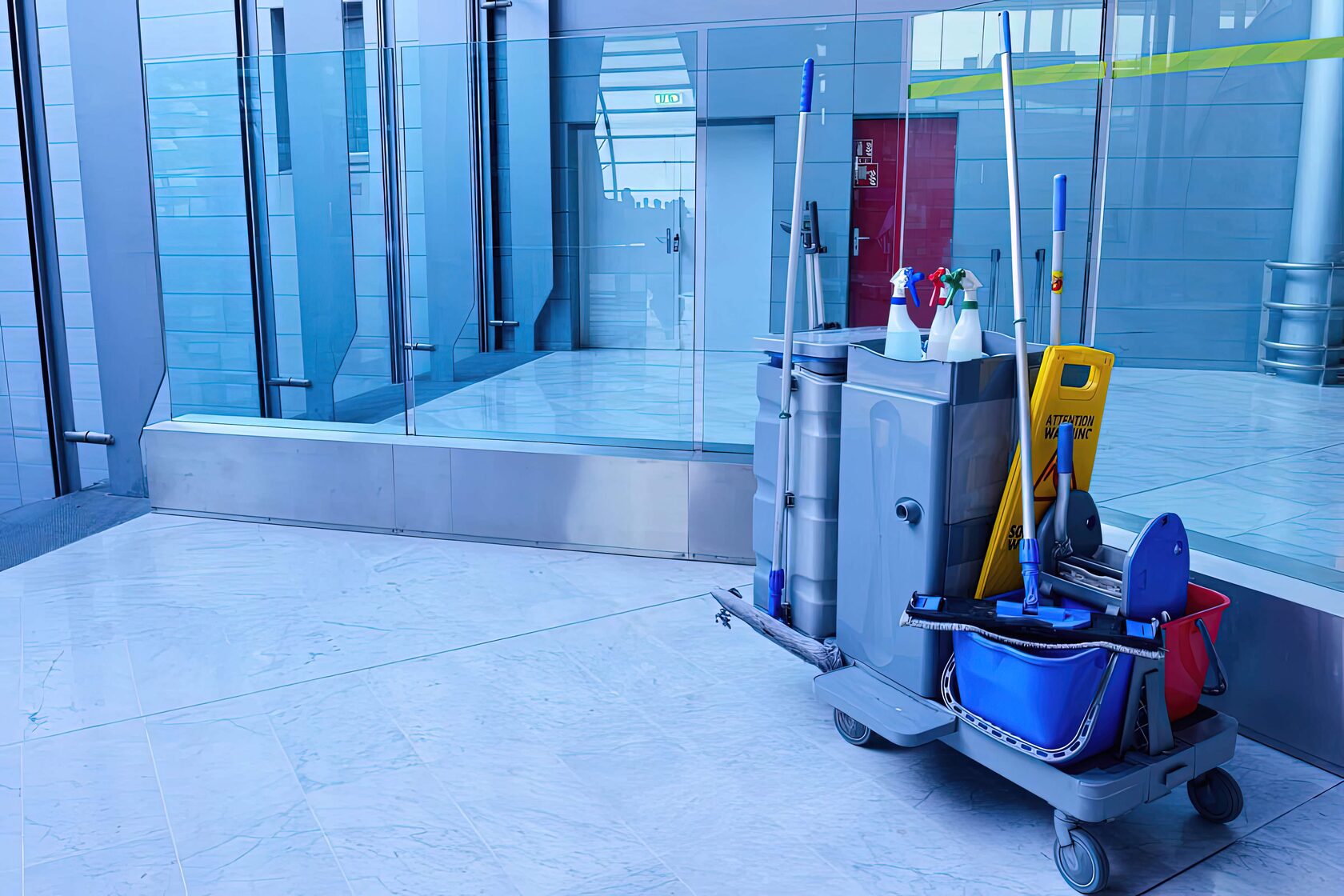
Janitorial teams may sweep, mop, vacuum, dust, and spot-clean these areas according to the property’s cleaning schedule. High-traffic locations may require more frequent service.
Floor Cleaning and Maintenance
Floors are among the most heavily used surfaces in a commercial building. Dirt, dust, spills, and foot traffic can gradually affect their appearance and condition.
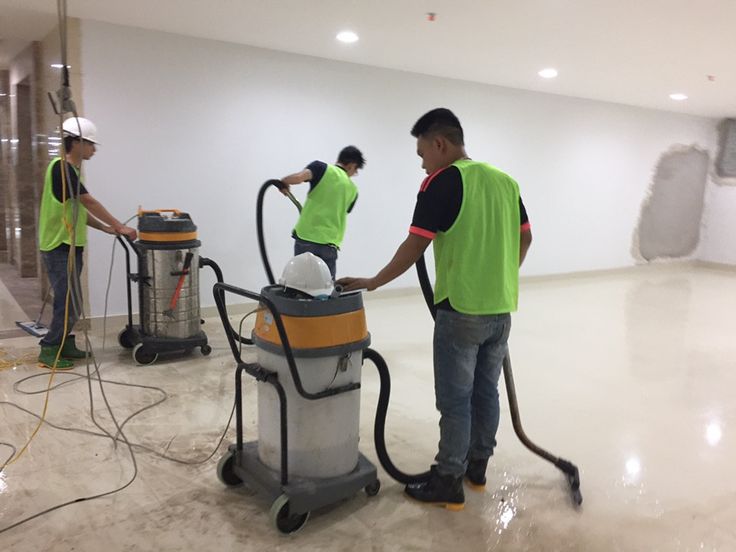
Building cleaning maintenance may include sweeping, mopping, vacuuming, spot cleaning, and other appropriate floor-care services. Regular floor cleaning helps keep surfaces presentable while reducing the buildup of dirt and debris.
Restroom Cleaning and Sanitation
Restrooms require consistent cleaning because they are frequently used throughout the day. Proper restroom maintenance helps maintain a cleaner and more comfortable environment for building occupants and visitors.
Routine services can include cleaning toilets, sinks, mirrors, floors, partitions, and other restroom surfaces. Janitorial teams may also remove waste and restock supplies such as soap, paper towels, and toilet paper.
Dusting and Surface Cleaning
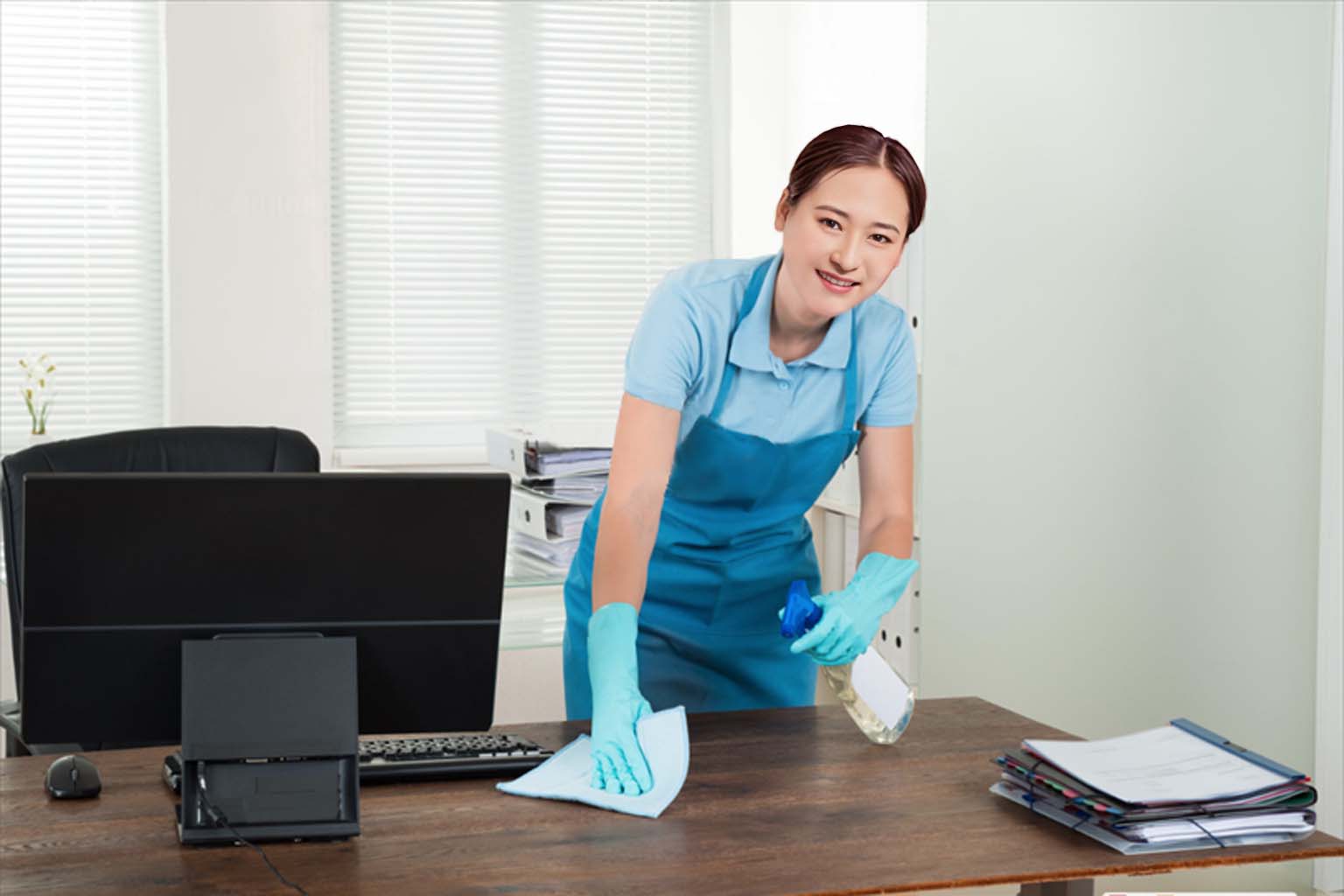
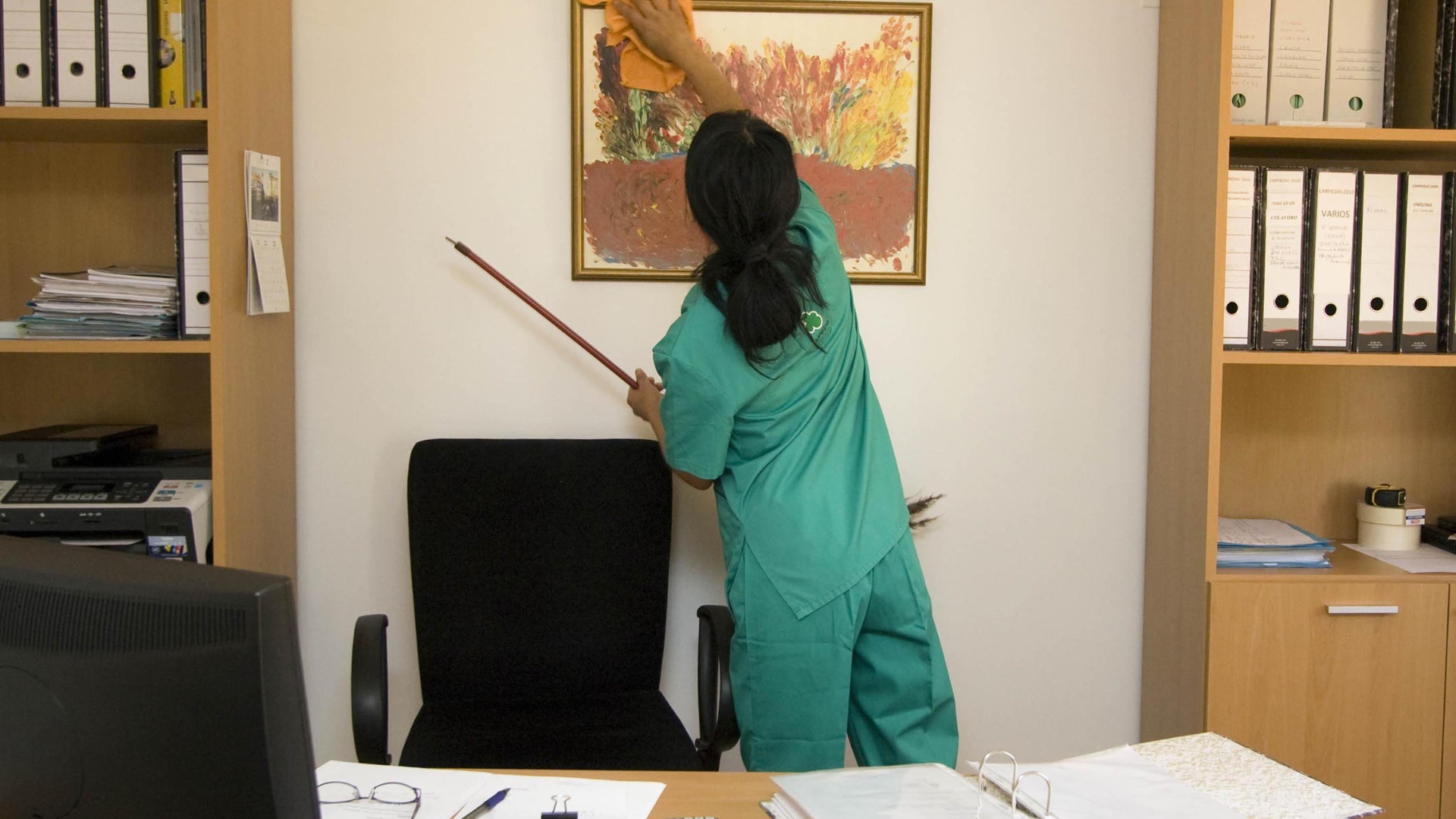
Dust can accumulate on desks, counters, ledges, furniture, fixtures, and other surfaces. Regular dusting helps maintain the overall appearance of a commercial building.
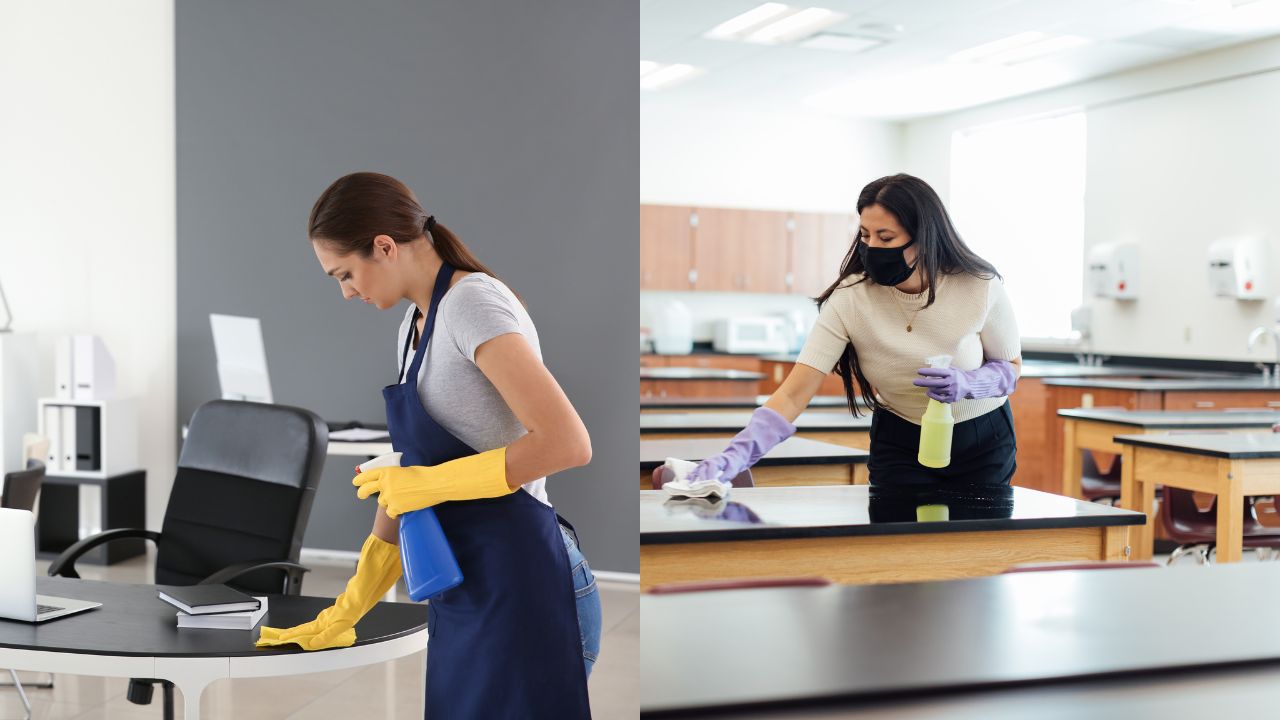
Cleaning teams can also wipe and clean frequently used surfaces according to the building’s requirements. This is particularly important in areas where employees, customers, or visitors interact with surfaces regularly.
High-Touch Surface Cleaning
Door handles, elevator buttons, handrails, light switches, counters, restroom fixtures, and other frequently touched surfaces can require regular cleaning.
Including high-touch surface cleaning in a building maintenance plan helps support overall facility hygiene. Cleaning frequency can be increased in busy buildings or during periods of higher occupancy.
Trash Removal and Waste Management
Regular waste removal is another important part of building cleaning maintenance. Trash can accumulate quickly in offices, restrooms, break rooms, common areas, and other occupied spaces.
Janitorial services can empty waste containers, replace liners, clean surrounding areas, and help prevent overflowing bins and unpleasant odors. Consistent waste removal also contributes to a cleaner overall appearance.
Cleaning Entrances and High-Traffic Areas
Building entrances are among the first areas visitors see and can collect significant amounts of dirt from outdoor foot traffic.
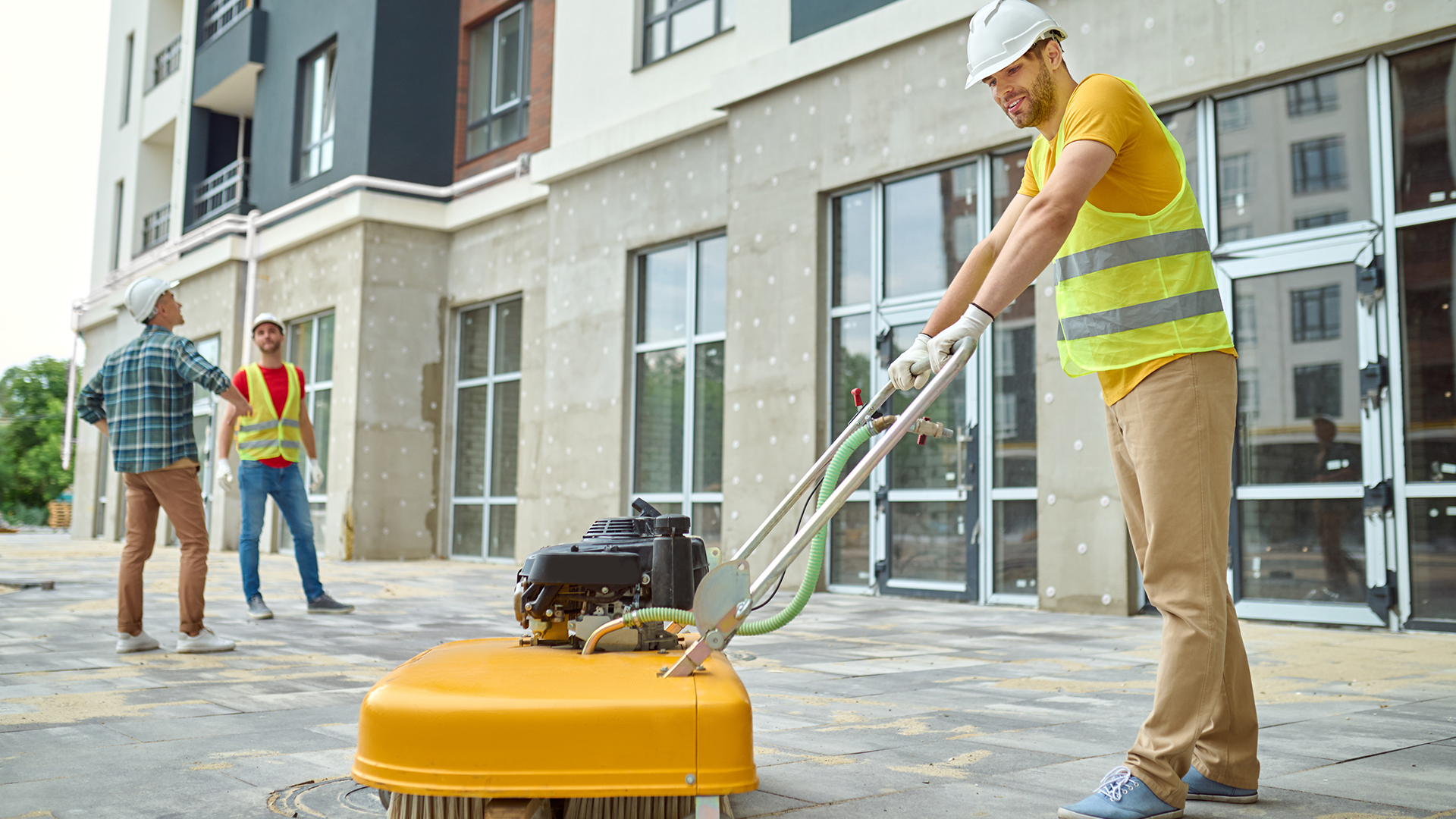
Regular sweeping, mopping, vacuuming, spot cleaning, and litter removal help keep entrances and high-traffic areas presentable. During rainy or poor weather conditions, these areas may require additional attention because moisture and debris can be brought inside.
Daytime Cleaning and Ongoing Maintenance
Many commercial buildings operate throughout the day, making daytime cleaning an important part of building maintenance. Cleaning teams can work around employees, customers, tenants, and visitors to complete routine tasks with minimal disruption.
Day porter services can also provide ongoing attention to restrooms, common areas, spills, trash, and other immediate cleaning needs during operating hours.
Customized Building Cleaning Schedules
Every commercial building has different cleaning requirements. A small office may need a different cleaning schedule than a large multi-tenant property, retail center, medical facility, or corporate building.
A customized cleaning plan considers factors such as building size, occupancy, traffic levels, operating hours, number of restrooms, floor types, and shared facilities. This helps ensure that important areas receive the right level of attention.
How Building Cleaning Maintenance Supports Property Management
Consistent cleaning makes routine property management easier. When common areas, restrooms, floors, and other shared spaces are maintained regularly, property managers can spend less time dealing with basic cleaning concerns.
Cleaning teams may also notice issues such as leaks, damaged surfaces, spills, or other maintenance concerns during routine service. Identifying these issues early can help property managers address them before they become larger problems.
Why Regular Building Cleaning Maintenance Matters
Building cleaning maintenance is important because cleanliness can affect the appearance, comfort, and daily usability of a commercial property. A consistent cleaning program helps control everyday dirt, waste, dust, and surface buildup.
Regular janitorial service also allows cleaning tasks to be managed systematically instead of waiting until a building becomes noticeably dirty. This approach supports a cleaner and more welcoming environment for employees, tenants, customers, and visitors.
Frequently Asked Questions
What does building cleaning maintenance include?
Building cleaning maintenance can include common-area cleaning, floor care, restroom sanitation, dusting, high-touch surface cleaning, trash removal, entrance cleaning, and other routine janitorial services.
How often should a commercial building be cleaned?
Cleaning frequency depends on building size, occupancy, foot traffic, operating hours, and facility usage. High-traffic buildings may require daily or multiple-times-per-day cleaning.
Does building cleaning maintenance include restroom cleaning?
Yes. Restroom cleaning commonly includes toilets, sinks, mirrors, floors, partitions, fixtures, trash removal, and restocking essential supplies.
Can cleaning services be performed during business hours?
Yes. Janitorial teams can provide daytime cleaning while working around employees, customers, tenants, and visitors. The schedule can be designed to minimize disruption.
Why is a customized cleaning schedule important?
A customized schedule ensures that cleaning frequency is based on the property’s actual needs. High-traffic areas can receive more frequent attention while lower-use areas can follow an appropriate routine.
Final Thoughts
Building cleaning maintenance works through consistent, scheduled cleaning of the areas that employees, tenants, customers, and visitors use every day. From floors and restrooms to entrances, common areas, high-touch surfaces, and waste containers, each part of the building contributes to its overall cleanliness.
With a well-planned janitorial maintenance program, commercial property owners and managers can maintain cleaner facilities, improve the daily environment, and keep routine building upkeep more manageable.