How Janitorial Services Keep Commercial Elevators Clean
Commercial elevators experience frequent use throughout the day. Employees, customers, tenants, visitors, and delivery personnel may enter and exit repeatedly, bringing in dust, dirt, debris, and moisture. Without regular maintenance, elevator floors, doors, buttons, and interior surfaces can quickly appear worn or unclean.
Professional janitorial services can include routine elevator cleaning as part of a broader commercial facility maintenance plan. A consistent cleaning schedule helps keep elevator interiors presentable, while reducing the buildup associated with everyday traffic.
What Does Commercial Elevator Cleaning Include?
The exact cleaning tasks depend on the elevator’s materials, usage, and service agreement. Common janitorial tasks may include:
- Sweeping or vacuuming elevator floors
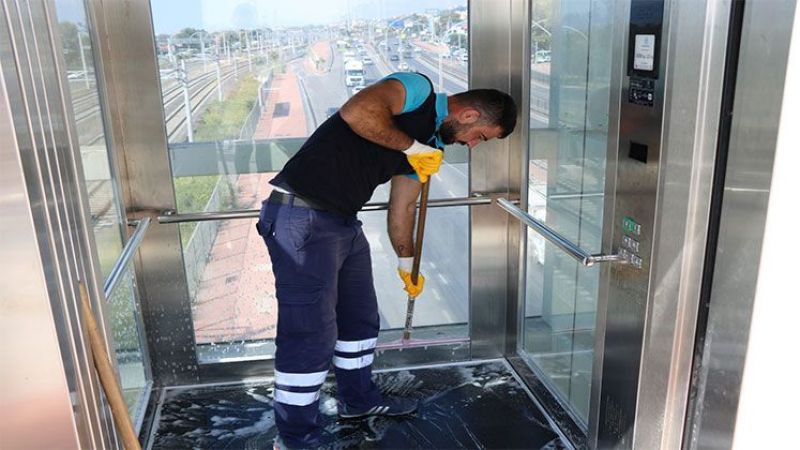
- Mopping appropriate floor surfaces
- Removing visible dirt and debris
- Cleaning interior walls and panels
- Wiping handrails
- Cleaning designated doors and frames
- Cleaning elevator buttons and control panels
- Removing fingerprints and smudges
- Emptying nearby waste containers
- Reporting maintenance concerns
Cleaning products and methods should always be appropriate for the elevator’s specific surfaces.
1. Regular Floor Cleaning
Elevator floors receive heavy foot traffic and can collect dirt, dust, moisture, and debris.
Janitorial staff can routinely sweep, vacuum, or mop floors according to the flooring material. Prompt attention to spills can also help prevent visible staining and slippery conditions.
For specialized flooring, the cleaning method should follow manufacturer or facility requirements.
2. High-Touch Surface Cleaning
Elevator buttons, handrails, door controls, and other frequently touched surfaces may require regular cleaning.
A professional commercial cleaning service can include these areas in its routine cleaning checklist based on facility usage.
Cleaning and disinfection are different processes. If disinfection is required, the appropriate product and procedure should be specified in the cleaning plan.
3. Cleaning Elevator Doors
Elevator doors are highly visible and frequently touched. Fingerprints, dust, and smudges can quickly accumulate on their surfaces.
Janitorial staff can clean designated door surfaces using methods suitable for the door’s material and finish.
4. Removing Dust and Debris
Small amounts of dirt can accumulate in elevator corners, edges, tracks, and floor transitions.
Routine vacuuming and detailed surface cleaning can help remove everyday debris from accessible areas.
However, elevator mechanisms and restricted components should only be serviced by qualified elevator professionals.
5. Managing Spills and Spot Cleaning
Spills can occur when employees or visitors carry drinks, food, packages, or other materials into an elevator.
Prompt spot cleaning can help prevent the spill from spreading or becoming more difficult to remove.
Janitorial staff should follow appropriate procedures for the specific flooring and surface materials.
6. Maintaining Elevator Appearance
Elevators are often one of the most frequently used areas in a commercial building. Their condition can influence the overall appearance of the property.
Clean floors, doors, panels, mirrors, and handrails can contribute to a more professional and well-maintained environment for tenants and visitors.
7. Following a Cleaning Checklist
A structured janitorial cleaning checklist helps ensure that important elevator areas are not overlooked.
A checklist may identify:
- Floor cleaning
- Door cleaning
- Button-panel cleaning
- Handrail cleaning
- Interior surface cleaning
- Spot cleaning
- Waste removal
- Inspection requirements
Supervisors can use these checklists to monitor completed tasks and maintain consistency.
8. Adjusting Cleaning Frequency
Not every commercial elevator needs the same cleaning schedule.
Cleaning frequency may depend on:
- Building traffic
- Number of occupants
- Number of elevators
- Business type
- Operating hours
- Weather conditions
- Delivery activity
High-traffic buildings may require daily or multiple cleaning visits, while lower-traffic properties may need less frequent service.
9. Reporting Maintenance Issues
Janitorial staff may notice problems while cleaning elevators, such as damaged flooring, broken lights, unusual odors, spills, or other visible concerns.
Cleaning personnel should report maintenance issues to the appropriate property manager or building maintenance team rather than attempting repairs outside their responsibilities.
Benefits of Professional Elevator Cleaning
Regular elevator cleaning can help businesses and property managers:
- Maintain cleaner shared spaces
- Improve the appearance of elevators
- Reduce visible dirt and debris
- Keep high-touch surfaces maintained
- Address spills promptly
- Support consistent building maintenance
- Create a better experience for tenants and visitors
Elevator cleaning is most effective when it is included in a broader commercial janitorial service plan.
Frequently Asked Questions
How often should commercial elevators be cleaned?
The ideal frequency depends on foot traffic, building usage, elevator capacity, business type, and operating hours. High-traffic elevators generally need more frequent cleaning.
What surfaces should be cleaned inside an elevator?
Common areas include floors, doors, handrails, control panels, buttons, mirrors, and other accessible interior surfaces. Cleaning methods should match each material.
Can janitorial companies clean elevator buttons?
Yes. Elevator buttons and control panels can be cleaned as part of routine janitorial service when appropriate procedures and products are used.
Does elevator cleaning include elevator repairs?
No. Janitorial staff handle cleaning and routine appearance maintenance. Mechanical, electrical, or safety-related elevator repairs should be performed by qualified elevator professionals.
Choosing Janitorial Services for Commercial Elevators
When hiring a commercial janitorial company, ask whether elevator cleaning is included in the service plan. Confirm which surfaces are covered, how frequently elevators will be cleaned, what cleaning products are used, and how maintenance concerns are reported.
A customized cleaning schedule allows property managers to prioritize elevators according to actual building traffic and usage.
Keep Commercial Elevators Clean and Presentable
Commercial elevators are high-use areas that require consistent attention. Professional janitorial services can maintain elevator floors, doors, buttons, handrails, and other accessible surfaces through scheduled cleaning and quality-control procedures.
By including elevator cleaning in a comprehensive commercial cleaning plan, property owners and managers can help maintain cleaner, more presentable shared spaces throughout the building.