How Professional Cleaning Maintains Conference Rooms
Conference rooms are frequently used for meetings, presentations, interviews, training sessions, and client discussions. Regular use can leave tables, chairs, floors, glass surfaces, and other areas with dust, fingerprints, spills, and debris.
Professional cleaning helps maintain conference rooms in a clean, organized, and presentable condition. A consistent cleaning routine can also address frequently touched surfaces and areas that receive heavy use throughout the day.
Clean Conference Tables and Work Surfaces
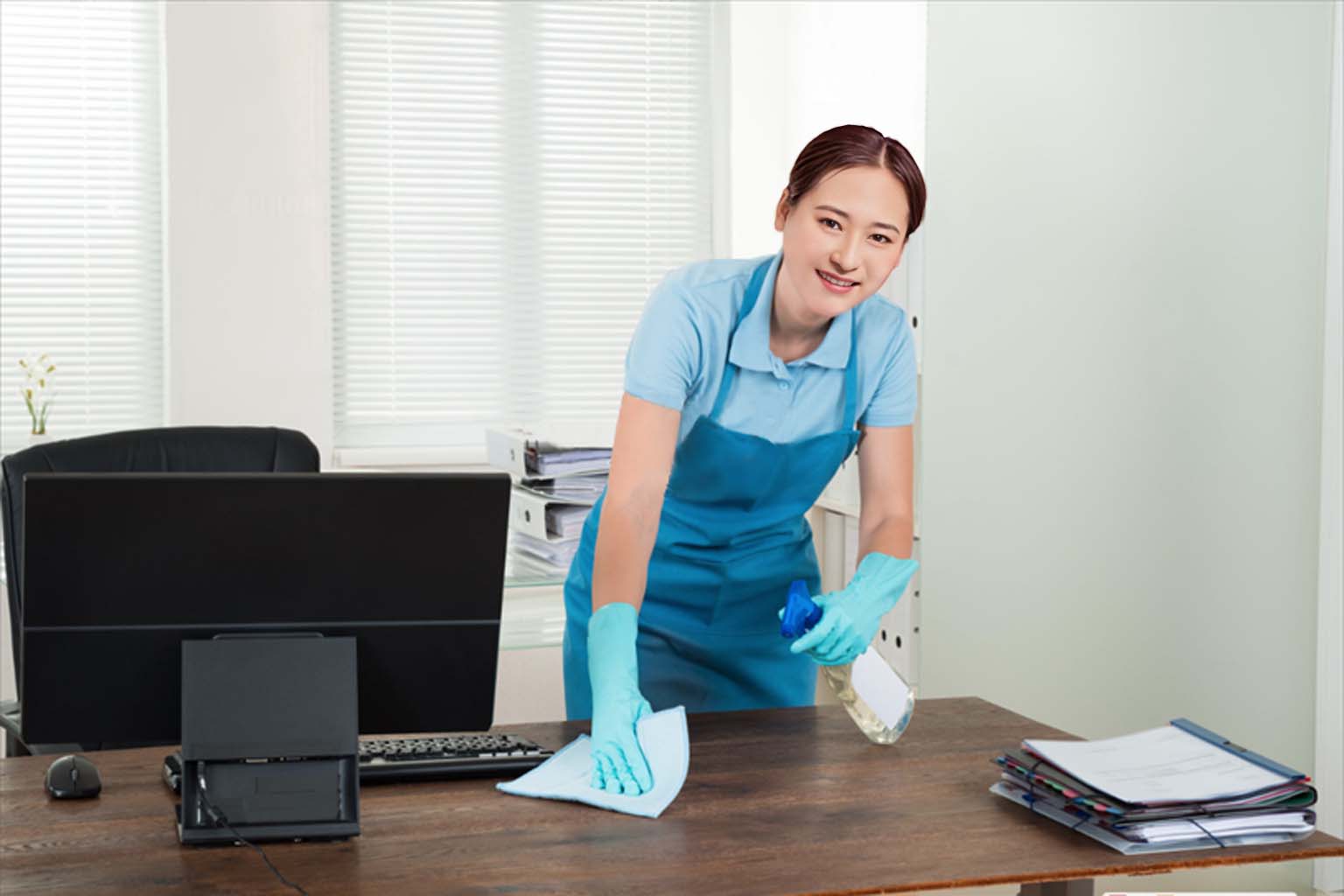
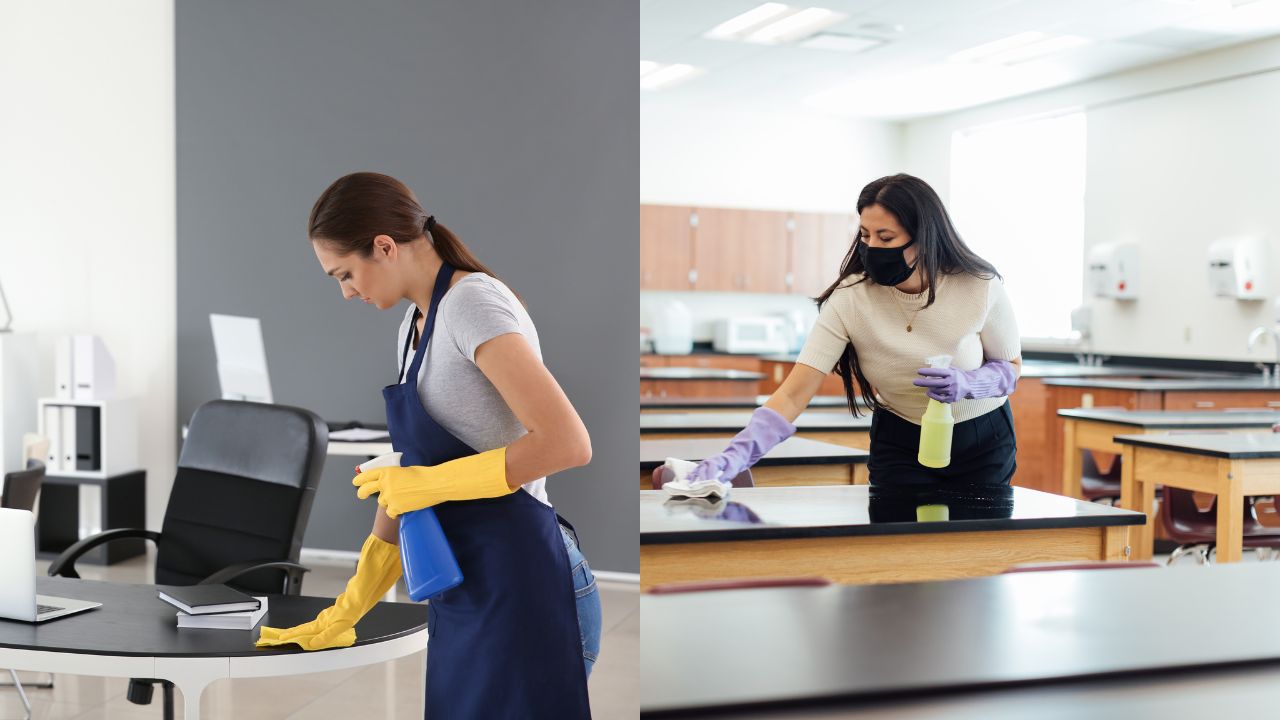
Conference tables can collect fingerprints, food crumbs, beverage spills, dust, and other debris. Regular surface cleaning helps maintain a neat appearance and prepares the room for upcoming meetings.
Cleaning methods should be appropriate for the material of the table and other furniture surfaces.
Maintain Chairs and Upholstered Furniture
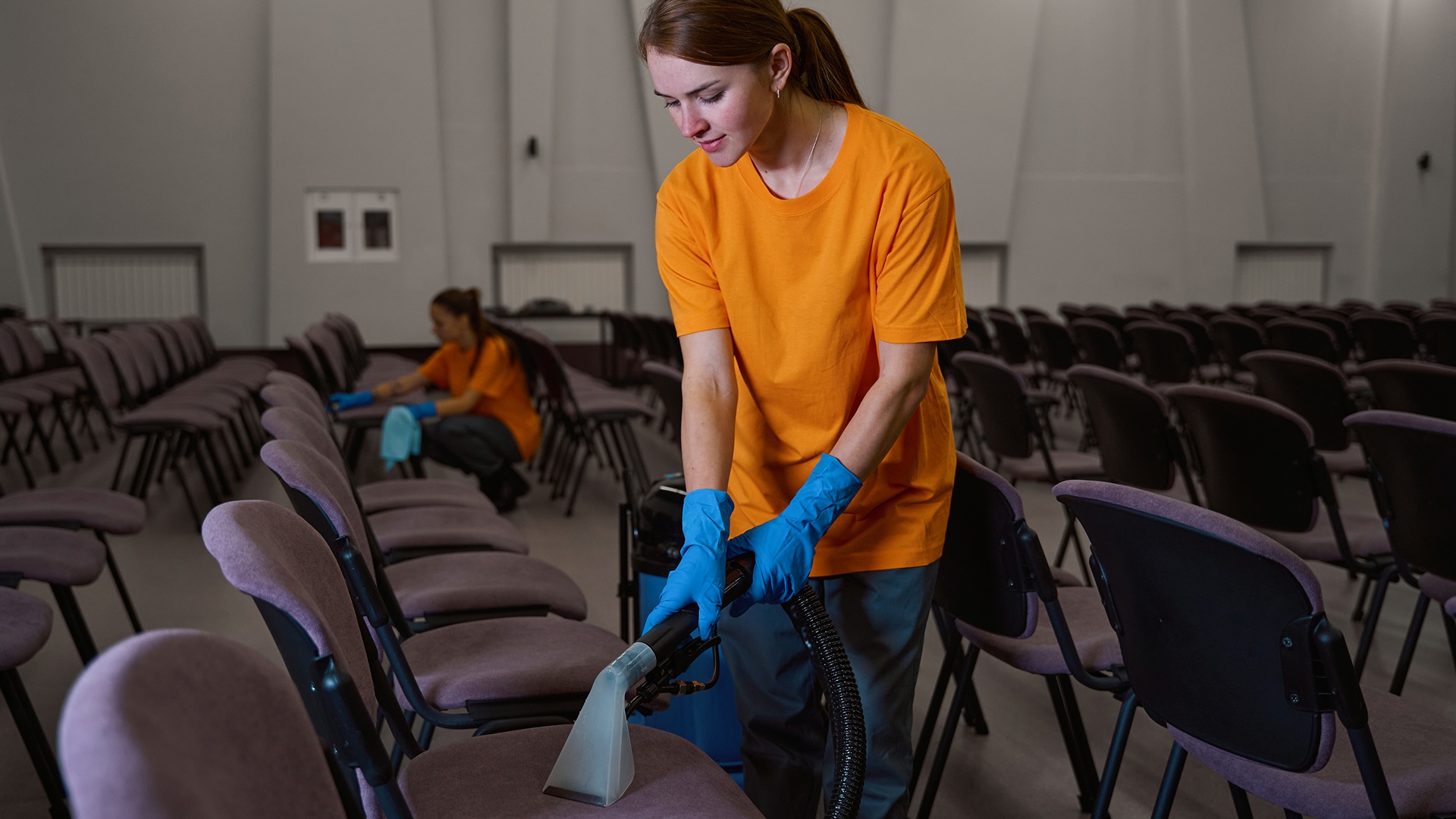
Conference room chairs can accumulate dust, stains, and debris through regular use. Routine cleaning and targeted spot treatment can help maintain the appearance of seating areas.
Upholstered furniture may require cleaning methods suited to the specific fabric and condition.
Clean High-Touch Surfaces
Conference rooms contain several frequently touched surfaces, including door handles, light switches, remote controls, chair arms, and shared equipment. Regular cleaning of these areas supports a more consistent workplace cleaning routine.
Cleaning frequency can be adjusted based on room usage and the number of people using the space.
Keep Floors Clean
Foot traffic can bring dirt and debris into conference rooms. Regular vacuuming, sweeping, or appropriate floor cleaning helps maintain cleaner walking surfaces.
Prompt attention to spills can also help prevent visible stains and reduce the risk of slippery areas.
Maintain Glass and Windows
Glass conference room doors, partitions, and windows can quickly show fingerprints and smudges. Routine glass cleaning helps maintain a clearer and more presentable appearance, particularly in meeting rooms used for client visits.
Remove Waste After Meetings
Meetings can generate paper, disposable cups, food packaging, and other waste. Regular waste removal helps keep conference rooms organized and ready for the next scheduled meeting.
Bins should be checked according to room usage and the facility’s cleaning schedule.
Clean Shared Meeting Equipment Carefully
Conference rooms may contain monitors, keyboards, presentation equipment, phones, and other electronics. Cleaning staff should follow appropriate equipment instructions and avoid excessive moisture or directly spraying cleaning products onto electronic devices.
Schedule Cleaning Around Room Usage
Conference room cleaning can be scheduled before or after busy meeting periods to minimize disruption. High-use rooms may require daily attention, while less frequently used rooms may follow a different cleaning schedule.
For businesses in Houston and surrounding Texas communities, a customized office cleaning plan can address conference rooms according to meeting frequency, traffic levels, room size, and facility requirements.
Final Thoughts
Professional cleaning helps conference rooms remain clean, organized, and ready for meetings. Regular attention to tables, chairs, floors, glass surfaces, high-touch areas, waste, and shared equipment supports a more presentable workplace and consistent office cleaning standards.