What Should Healthcare Janitorial Services Include?
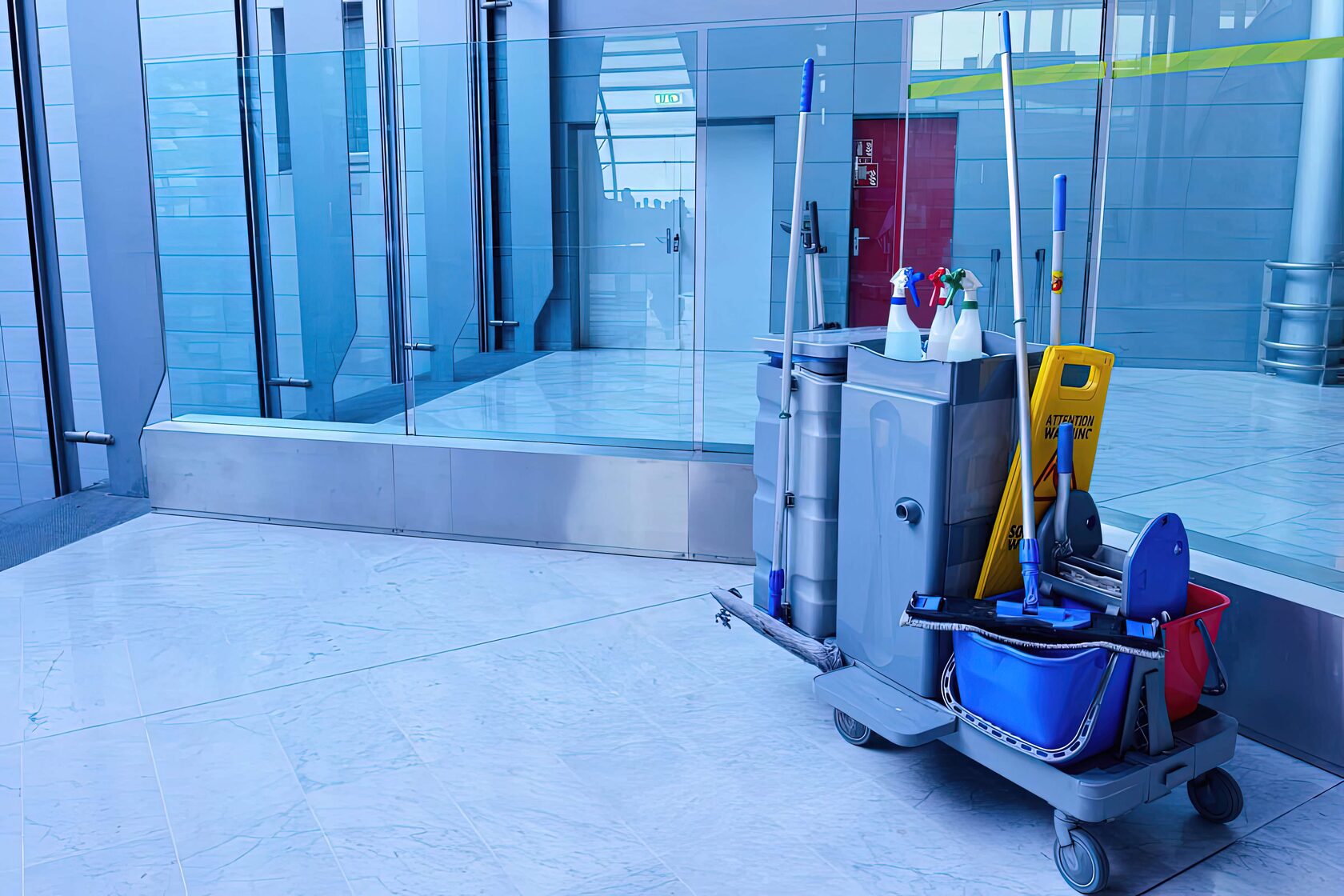
Healthcare facilities require detailed and consistent cleaning to maintain a clean, comfortable, and professional environment for patients, visitors, and staff. Healthcare janitorial services should go beyond basic office cleaning by addressing high-traffic areas, frequently touched surfaces, restrooms, floors, and other spaces that require regular attention.
A professional cleaning plan should be customized according to the facility’s size, layout, traffic levels, and specific cleaning requirements.
Medical Office and Common Area Cleaning
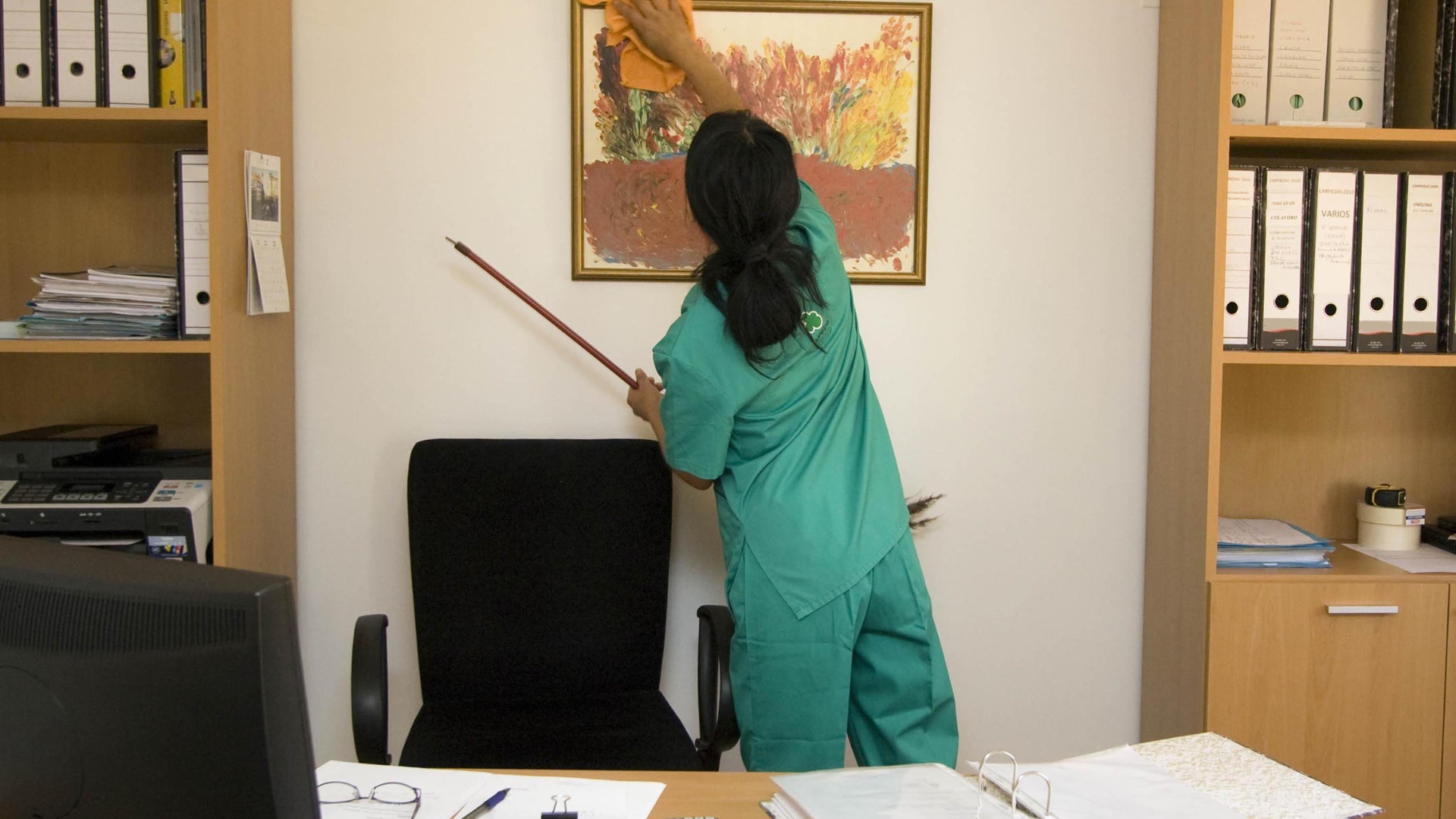
Healthcare janitorial services should include routine cleaning of reception areas, waiting rooms, hallways, offices, examination areas, and other common spaces. Dusting, vacuuming, sweeping, and mopping help keep these areas clean and presentable.
High-Touch Surface Cleaning
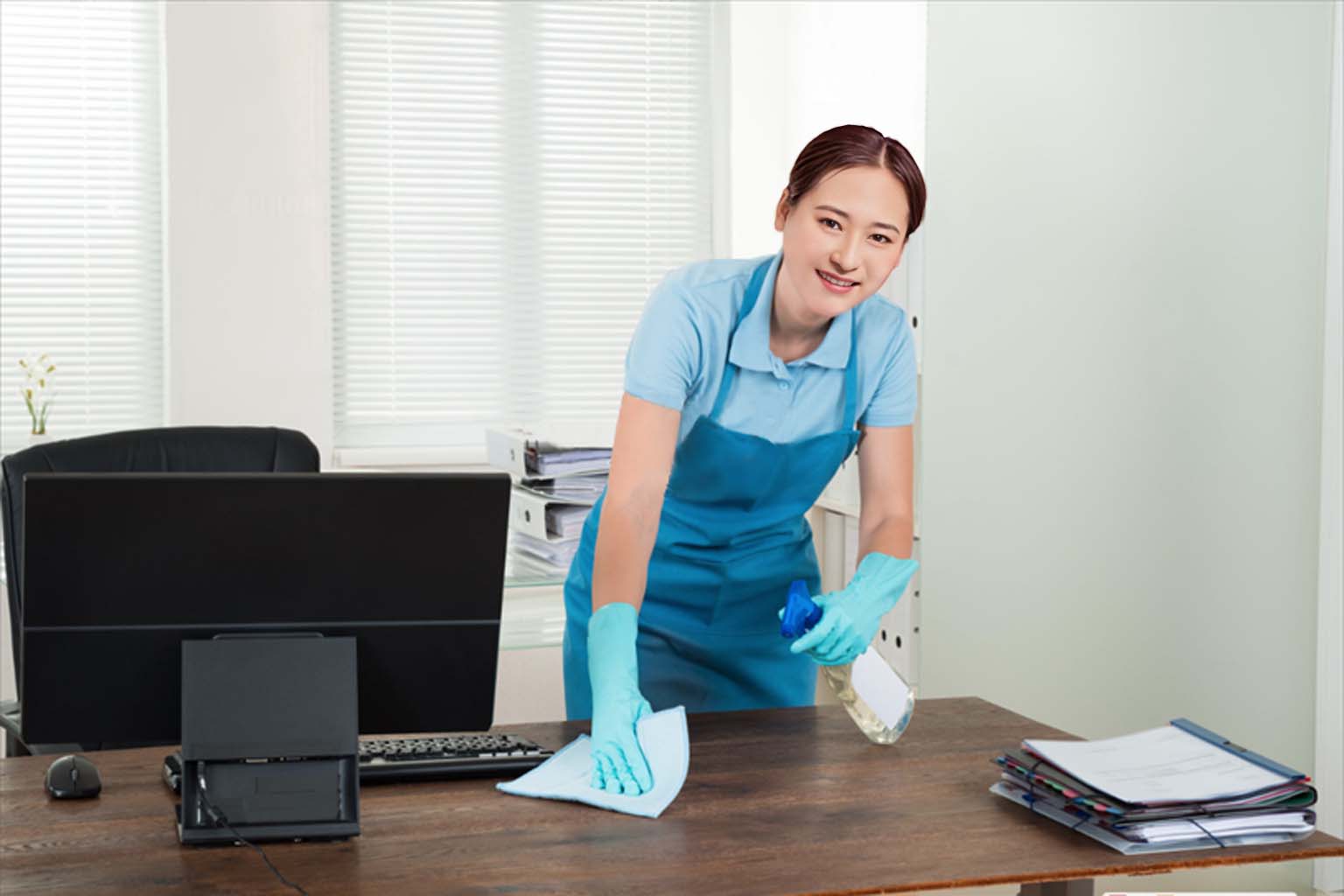
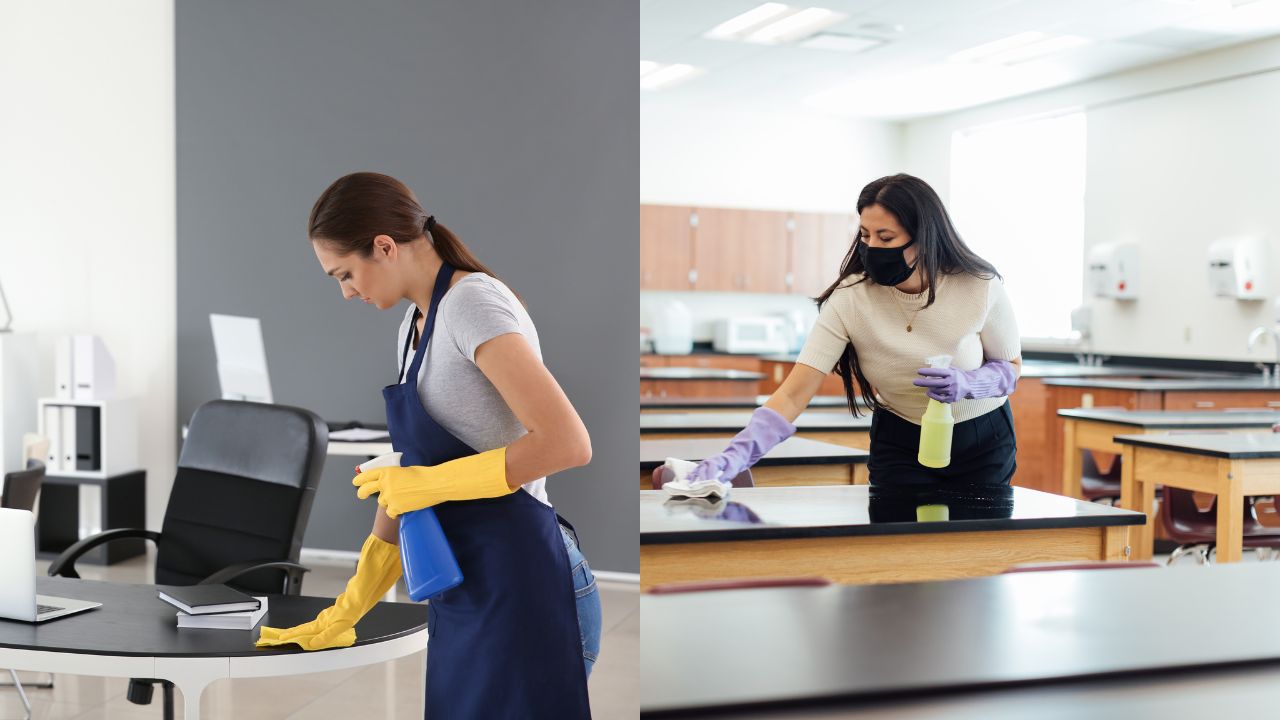
Frequently touched surfaces can require additional attention throughout the day. Cleaning services may include door handles, light switches, reception counters, handrails, chairs, faucets, and other commonly touched surfaces.
Regular cleaning and appropriate disinfection can help support a cleaner healthcare environment.
Restroom Cleaning and Sanitation
Healthcare facility restrooms should be cleaned and sanitized regularly. Professional janitorial services can include cleaning toilets, sinks, faucets, mirrors, partitions, floors, and other restroom surfaces.
Cleaning teams may also replenish essential supplies such as soap, paper towels, and toilet tissue.
Floor Care and Maintenance
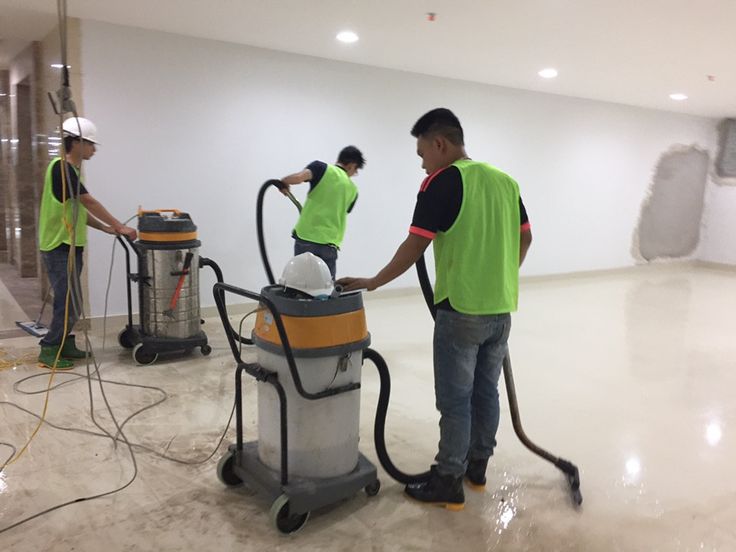
Healthcare facilities experience regular foot traffic, making floor maintenance an important part of janitorial service. Depending on the flooring type, services may include sweeping, mopping, vacuuming, spot cleaning, and routine floor maintenance.
Well-maintained floors improve the overall appearance and cleanliness of the facility.
Waste Collection
Regular waste collection helps keep healthcare facilities organized and clean. Janitorial teams can collect and remove general facility waste according to the facility’s procedures and applicable requirements.
Flexible Cleaning Schedules
Healthcare facilities may operate throughout the day, making flexible scheduling important. Cleaning can be arranged during appropriate low-traffic periods or after operating hours to reduce disruption to patients and staff.
Trained Cleaning Professionals
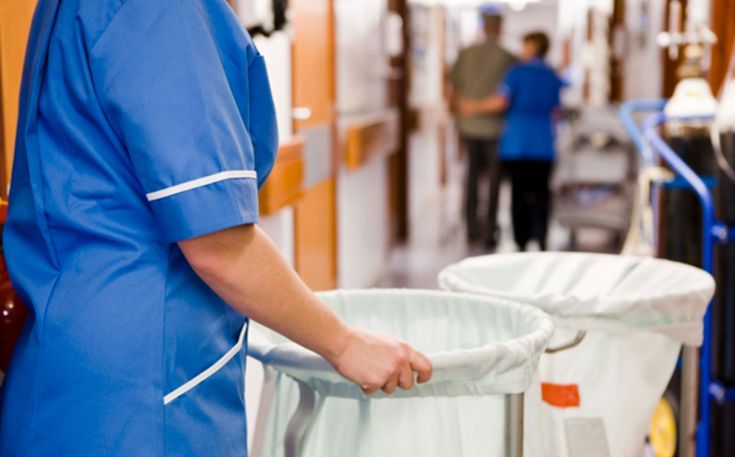
Healthcare cleaning requires attention to detail and consistent procedures. A professional janitorial company should provide properly trained cleaning staff who understand facility-specific requirements, safe product use, cleaning procedures, and appropriate disinfection practices.
Final Thoughts
Healthcare janitorial services should provide more than basic cleaning. Medical office cleaning, high-touch surface care, restroom sanitation, floor maintenance, waste collection, and flexible scheduling all contribute to a cleaner and more welcoming healthcare environment.
Choosing an experienced healthcare janitorial service can help medical offices, clinics, dental practices, and other healthcare facilities maintain consistent cleaning standards while allowing staff to focus on their primary responsibilities.